
You’re comparing XcelHR and BBSI because someone told you they’re both PEOs, so they must be similar. They’re not.
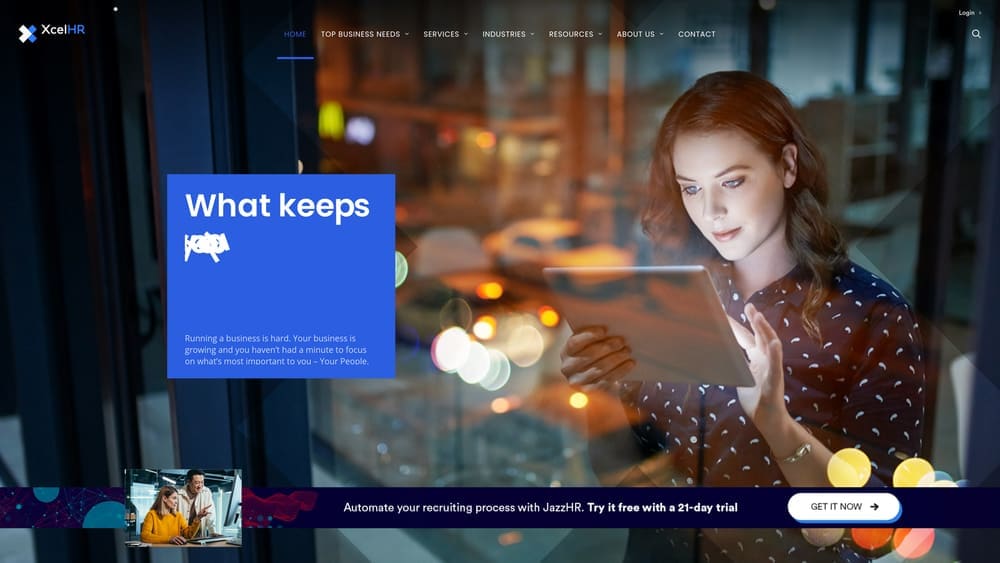
XcelHR operates as a technology-forward, national PEO with standardized service delivery. You get consistent HR infrastructure, compliance tools, and benefits administration through a centralized platform. It’s efficient, scalable, and designed for businesses that want reliable HR operations without a lot of hand-holding.
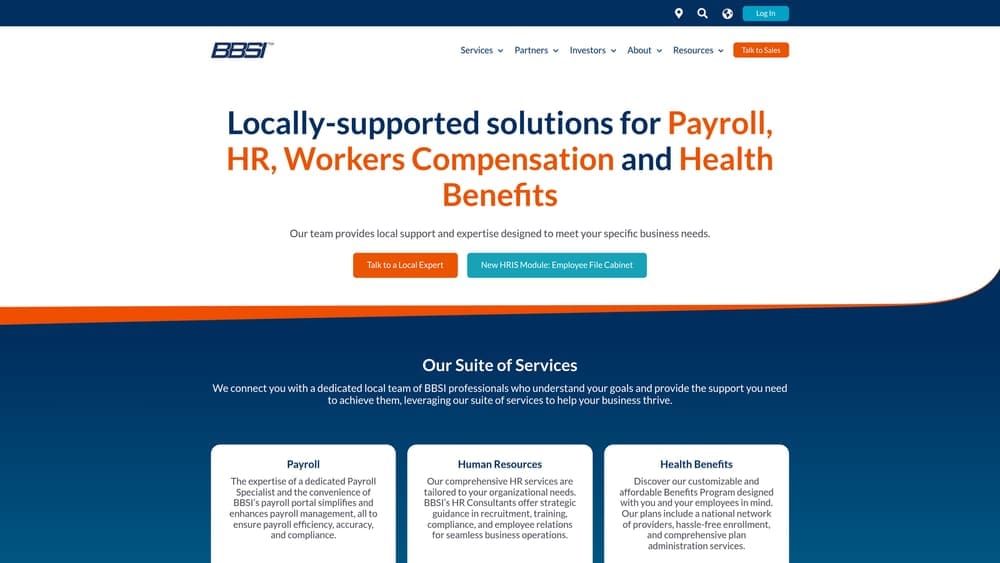
BBSI takes a completely different approach. They run a consultative, branch-based model with heavy emphasis on business owner coaching. You’re assigned a local Business Partner who acts as an embedded advisor — someone who shows up at your location, knows your operation, and helps you solve problems beyond basic HR compliance.
This isn’t about which provider is “better.” It’s about which model fits your operational reality, growth trajectory, and management style. Some business owners want a partnership with deep involvement. Others want clean HR infrastructure and prefer to run their business without constant advisory input.
Comparing these two requires understanding what you’re actually buying: a platform vs. a partnership model. The decision factors below help you figure out which approach matches how you operate and where you’re headed. If you’re new to how PEOs work structurally, start with a professional employer organization definition to understand the co-employment framework both providers use.
1. Hands-On Consulting vs. Self-Service Efficiency
The biggest difference between BBSI and XcelHR isn’t what they offer — it’s how involved they get in your business.
BBSI’s entire model is built around their Business Partner structure. You’re assigned a dedicated advisor who acts like an outsourced COO for HR and operations. They visit your location regularly, help with workforce planning, review your P&L, coach managers, and get involved in process improvement. This isn’t just HR support — it’s business consulting bundled into the PEO relationship.
If you want someone who challenges how you’re running things and pushes you to tighten operations, BBSI’s model delivers that. But it also means more meetings, more involvement, and a relationship that requires your time and engagement.
XcelHR operates differently. Their service delivery is centralized and technology-driven. You get a dedicated account team, but the relationship is transactional. They handle payroll, benefits, compliance, and HR administration efficiently through their platform. You’re not getting business coaching or operational consulting — you’re getting reliable HR outsourcing infrastructure.
For business owners who prefer to make their own decisions without outside input, XcelHR’s approach is cleaner. You access what you need through the platform, escalate issues when necessary, and otherwise run your business without constant advisory involvement.
The wrong fit here creates friction. If you choose BBSI but don’t want the consultative relationship, you’ll find their model intrusive. If you choose XcelHR but expected proactive business coaching, you’ll be disappointed.
Ask yourself: Do I want a business partner who gets in the trenches, or do I want efficient HR services that stay out of my way?
2. Geographic Footprint Alignment
Where you operate matters more than most buyers realize when comparing these providers.
BBSI runs a branch-based model with physical offices concentrated in specific regions — primarily the Western U.S., with expansion into select markets in other states. Their strength is local presence. Your Business Partner works out of a nearby branch, knows local employment regulations, understands regional labor markets, and can show up at your location when needed.
This works well if your business operates within BBSI’s footprint. But if you’re expanding into states where BBSI doesn’t have established branches, their model breaks down. You lose the local relationship advantage that justifies their approach.
XcelHR operates nationally with centralized service delivery. They can support businesses across all 50 states without requiring local branch infrastructure. If you’re growing into multiple states or already operate in scattered markets, XcelHR’s coverage is more consistent. For businesses with employees in several states, understanding PEO options for multi-state companies becomes critical.
The tradeoff is that you don’t get local presence. Your account team works remotely. There’s no branch office to visit. Everything runs through centralized support channels and their technology platform.
For multi-state businesses, this often works better. You get uniform service delivery regardless of location. But if you value face-to-face interaction and local market knowledge, XcelHR’s remote model may feel disconnected.
Check both providers’ current service areas directly. BBSI’s expansion changes over time, and XcelHR may have state-specific limitations for certain industries or compliance scenarios.
3. Workers’ Comp Risk Profile Assessment
Workers’ compensation handling separates these providers significantly — especially if you operate in high-risk industries.
BBSI built its reputation on workers’ comp management. Their Business Partners are trained to assess workplace safety, identify risk exposures, and implement loss control programs. They actively work with you to reduce claims frequency and severity. This isn’t passive administration — it’s hands-on risk management.
If you’re in construction, manufacturing, transportation, or other high-risk industries, BBSI’s approach can materially reduce your workers’ comp costs over time. Their model includes regular site visits, safety training, incident investigation, and return-to-work program management. Construction companies especially benefit from this approach — see our guide on PEOs for construction companies for industry-specific considerations.
BBSI also has more flexibility with difficult risk classes. Because they manage workers’ comp aggressively, they’re often willing to take on businesses that other PEOs decline or price prohibitively.
XcelHR handles workers’ comp competently, but it’s not their differentiator. They provide standard PEO workers’ comp administration — claims processing, compliance, and carrier management — but without the same level of proactive risk consulting.
For low-risk office environments, this doesn’t matter much. Workers’ comp is a small cost component, and you don’t need intensive safety programs. XcelHR’s streamlined approach works fine.
But if workers’ comp is a major cost driver or risk exposure for your business, BBSI’s hands-on model often justifies their pricing. The question is whether you’ll engage with their safety programs or just see them as administrative overhead. For a deeper understanding of how PEOs handle this, review workers’ compensation responsibilities in the co-employment relationship.
4. Technology Platform Comparison
The platforms look similar on demo calls. They both handle payroll, time tracking, benefits enrollment, and employee self-service. The differences show up when you’re using them daily.
XcelHR’s platform is their core service delivery mechanism. Everything runs through it — payroll processing, PTO requests, benefits changes, compliance documentation, reporting. The interface is modern, mobile-responsive, and built for self-service. Employees can handle most tasks without calling HR.
If your team is comfortable with technology and you want to minimize manual administrative work, XcelHR’s platform delivers that. It’s designed for efficiency and automation. For a broader look at what’s available, explore our comparison of PEO HR technology platforms.
BBSI’s platform exists, but it’s not the primary service delivery method. Their model assumes you’ll work directly with your Business Partner for most issues. The technology supports the relationship rather than replacing it.
This means BBSI’s platform may feel less polished or feature-rich compared to XcelHR’s. But if you’re getting value from the consultative relationship, the platform’s limitations matter less.
Before deciding, request demo access to both platforms. Run through actual workflows your team uses daily — processing payroll changes, approving PTO, enrolling in benefits, pulling reports. See which interface matches how your team works.
Also test mobile functionality if your workforce isn’t desk-based. Platform quality varies significantly on mobile devices, and some features that work well on desktop become clunky on phones.
5. Pricing Structure Analysis
XcelHR and BBSI use different pricing models, which affects how costs scale as you grow.
XcelHR typically prices on a per-employee-per-month (PEPM) basis. You pay a fixed monthly fee per employee, plus benefits pass-throughs and workers’ comp. This creates predictable budgeting and transparent cost structure. As you add employees, you know exactly how PEO costs increase.
PEPM pricing works well for businesses with stable headcount or predictable growth. You can model costs accurately and compare pricing across providers more easily. For a detailed breakdown of what these fees actually cover, see our PEO cost breakdown example.
BBSI often prices as a percentage of payroll, though their structure varies by market and client profile. Percentage-of-payroll pricing means your PEO costs fluctuate with total payroll — including raises, bonuses, and overtime.
This can work in your favor if you have seasonal workforce fluctuations or variable compensation. You’re not paying fixed per-employee fees during slow periods. But it also means PEO costs increase automatically as you raise wages or pay bonuses.
Neither model is inherently better. The right choice depends on your payroll structure and growth trajectory.
If you’re planning aggressive headcount growth, model both pricing structures across your 3-year projection. See where the breakeven points occur. Sometimes PEPM pricing looks cheaper initially but becomes expensive as you scale. Other times percentage-of-payroll pricing costs more upfront but scales better.
Request detailed proposals from both providers with full fee breakdowns. Don’t accept summary quotes. You need to see administrative fees, workers’ comp rates, benefits markups, and any additional charges to compare accurately.
6. Contract Flexibility and Exit Terms
Getting into a PEO is easy. Getting out cleanly requires reading the contract carefully before you sign.
BBSI and XcelHR both use annual contracts with auto-renewal clauses, but their termination terms and exit processes differ.
BBSI’s contracts typically require 60-90 days written notice to terminate. Because their model involves embedded Business Partners and local branch support, disentangling the relationship takes time. You’ll need to transition payroll, benefits administration, workers’ comp policies, and employee records. Understanding the full scope of a professional employer organization agreement helps you anticipate these challenges.
XcelHR’s termination process is more standardized since their service delivery is centralized. But you still face the same operational challenges — moving payroll, re-establishing benefits, transferring workers’ comp coverage, and extracting employee data.
The bigger issue is data portability. Make sure your contract specifies that you retain ownership of all employee records, payroll history, benefits data, and compliance documentation. Some PEO contracts make data extraction difficult or expensive during termination.
Also review workers’ comp policy assignment. When you leave a PEO, you need to secure new workers’ comp coverage. If you’ve had claims under the PEO’s policy, your experience rating may not transfer cleanly to a new carrier. Understand how this works before signing.
Ask both providers directly: What does the termination process look like? How long does data transfer take? Are there any termination fees? What happens to benefits mid-year if I leave? If you’re planning ahead, our PEO exit strategy guide walks through the full transition process.
If you’re switching from another PEO, ask how they handle mid-year transitions. Some providers make this easier than others.
7. Company Size and Growth Stage Fit
Both providers serve small and mid-sized businesses, but their ideal client profiles differ.
BBSI’s consultative model works best for businesses with 20-200 employees that want hands-on support. Below 20 employees, their pricing often doesn’t justify the service level. Above 200 employees, businesses typically need more specialized HR infrastructure than BBSI’s generalist Business Partner model provides.
Their sweet spot is established businesses in industries with operational complexity — construction, manufacturing, distribution, field services. Companies where workforce management, safety compliance, and operational efficiency directly impact profitability.
If you’re in rapid growth mode and adding 50+ employees annually, BBSI’s relationship-driven model can struggle to scale with you. Their strength is depth of service, not speed of onboarding. Startups with aggressive growth plans should review PEO options for startups to find providers built for rapid scaling.
XcelHR scales more easily across different company sizes. Their platform-driven model works for businesses with 10 employees or 500 employees without fundamentally changing the service delivery approach.
If you’re planning aggressive growth, need to onboard large groups quickly, or operate in multiple states simultaneously, XcelHR’s infrastructure handles that more smoothly.
But if you’re a 40-person business that’s been stable for years and you want someone to help you run more efficiently, XcelHR’s transactional approach may feel impersonal.
Think about where you’ll be in three years. If you’re doubling headcount and expanding into new markets, choose the provider whose model scales with that trajectory. If you’re focused on operational improvement and profitability rather than growth, choose the provider whose service model supports that.
Putting It All Together
XcelHR vs BBSI isn’t a quality comparison — it’s a fit comparison.
BBSI buyers want a business partner who gets in the trenches. They value the consultative relationship, appreciate hands-on workers’ comp management, and don’t mind the time investment required to work with a dedicated Business Partner. They’re typically in higher-risk industries, operate within BBSI’s geographic footprint, and want someone who challenges how they run their business.
XcelHR buyers want reliable HR infrastructure without the advisory relationship. They prefer self-service efficiency, need consistent multi-state coverage, and value predictable pricing with minimal ongoing involvement. They’re comfortable making their own operational decisions and want their PEO to handle compliance and administration cleanly.
Neither approach is wrong. The mistake is choosing based on price alone or assuming all PEOs deliver the same service model.
Create a weighted scorecard using these 7 factors based on your specific priorities. If workers’ comp risk and hands-on consulting matter most, weight those heavily. If geographic coverage and technology platform are critical, prioritize those instead.
Requesting proposals from both providers costs nothing and reveals how each would actually serve your business. Pay attention to how they position their services during the sales process — it previews the ongoing relationship.
Before you commit, review contract terms carefully. For detailed guidance on what to look for, see how to compare PEO contracts to avoid common pitfalls.
And if you’re currently with either provider and approaching renewal, don’t assume you’re getting the best available pricing. Before you renew your PEO agreement, compare your options. Most businesses overpay due to bundled fees and unclear administrative markups. We break down pricing, services, and contract structures so you can make a smarter decision.