
You’re comparing two PEOs that couldn’t be more different in scale and approach. ADP TotalSource is the enterprise arm of the largest payroll company in the world—massive infrastructure, deep tech stack, premium pricing. Premier Employer Services operates as a regional player with a more hands-on, consultative model and typically lower costs. This comparison breaks down where each actually excels, where they fall short, and which business profiles fit each provider. No fluff, just the decision factors that matter when you’re signing a multi-year co-employment agreement.
1. ADP TotalSource
Best for: Mid-sized companies (50+ employees) needing enterprise-grade HR infrastructure and Fortune 500-level benefits access
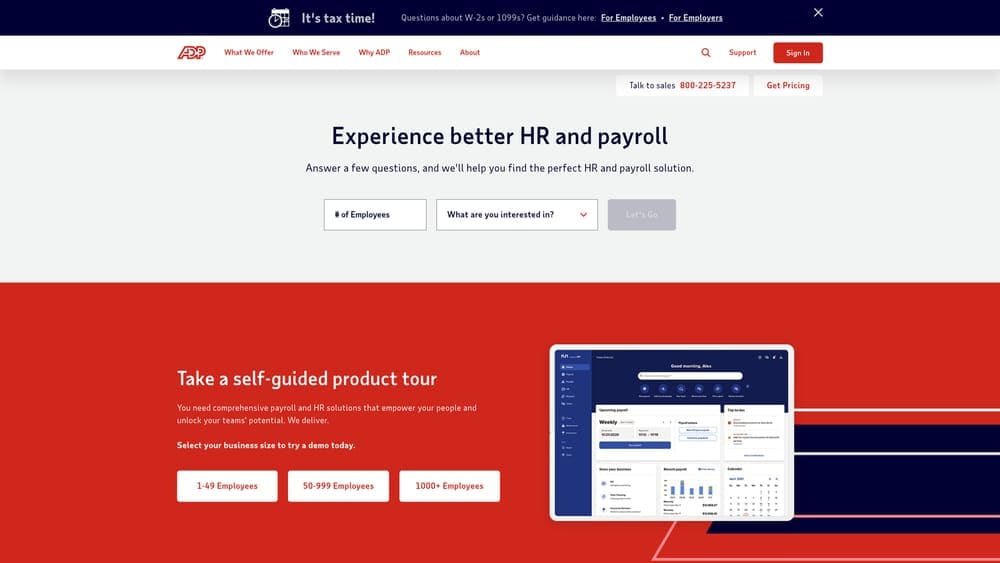
ADP TotalSource is the PEO division of ADP, leveraging the payroll giant’s infrastructure to deliver comprehensive co-employment services with IRS-certified CPEO status.
Where This Tool Shines
ADP TotalSource operates at a scale most regional PEOs can’t match. Their employee pool spans hundreds of thousands of workers, which translates to serious negotiating leverage with national benefits carriers. You’re getting access to health plans, dental, vision, and retirement options typically reserved for Fortune 500 companies—because effectively, you’re part of their massive buying group.
The technology backbone is another clear differentiator. TotalSource integrates directly with ADP’s Workforce Now platform, meaning payroll, time tracking, benefits administration, and compliance tools live in one ecosystem. If your business already uses ADP for payroll, the transition is relatively seamless. If you’re coming from another provider, you’re still getting a mature, tested platform with strong mobile access and employee self-service capabilities.
Key Features
Workforce Now Integration: Full HR platform with payroll, time and attendance, benefits enrollment, and reporting in one interface.
CPEO Certification: IRS-certified Professional Employer Organization status, which adds a layer of regulatory credibility and tax compliance assurance.
National Benefits Access: Direct contracts with major carriers like UnitedHealthcare, Aetna, and Blue Cross Blue Shield through ADP’s aggregated employee base.
Dedicated HR Business Partner: Each client is assigned an HR generalist who handles day-to-day questions, compliance guidance, and escalations.
Compliance Support Across All 50 States: Multi-state employment gets complex fast—ADP handles wage and hour laws, paid leave mandates, and tax filings nationally.
Best For
Companies with 50 to 500 employees that need enterprise-level benefits and technology but don’t want to build an internal HR department. Particularly strong fit for businesses operating in multiple states, those with complex compliance needs, or companies planning rapid growth where scalable infrastructure matters. Also ideal if you value brand recognition and want the perceived safety of working with the largest name in payroll.
Pricing
Typically $150 to $250+ per employee per month, depending on headcount, services selected, and benefits packages. ADP requires custom quotes—pricing isn’t published, and there’s limited flexibility to negotiate once you’re in contract. Expect bundled administrative fees that aren’t always broken out clearly in proposals.
Where ADP TotalSource Falls Short
Service responsiveness is the most common complaint. With a massive client base, you’re often routed through tiered support systems. Your dedicated HR business partner may handle dozens of other accounts, which means response times can stretch when you need quick answers. The platform is powerful but not always intuitive—expect a learning curve for both admins and employees.
Pricing transparency is another friction point. ADP bundles costs in ways that make it difficult to compare apples-to-apples with other PEOs. Administrative fees, technology fees, and benefits markups aren’t always itemized clearly. You’ll likely pay a premium compared to smaller PEOs, and contract terms tend to favor ADP heavily—early termination fees and auto-renewal clauses are standard.
Flexibility is limited. ADP’s model works best when you adopt their full stack. If you want to use a different benefits broker, keep your existing 401(k) provider, or customize certain HR processes, you’ll hit resistance. The system is designed for standardization, not customization.
2. Premier Employer Services
Best for: Small to mid-sized businesses seeking personalized account management and flexible pricing over enterprise technology platforms
Premier Employer Services is a regional PEO offering consultative service and hands-on support for businesses that prioritize relationship-based partnerships over self-service technology.
Where This Tool Shines
Premier operates with a fundamentally different service philosophy than enterprise PEOs. Your account manager typically handles a smaller book of business, which means you’re not competing with hundreds of other clients for attention. When you call, you’re talking to someone who knows your company, your employees, and your specific challenges. That kind of responsiveness matters when you’re dealing with urgent HR issues or navigating a compliance question in real time.
Pricing flexibility is another meaningful advantage. Smaller PEOs like Premier can often structure deals in ways that larger providers won’t—whether that’s adjusting service tiers, unbundling certain functions, or offering more favorable payment terms. They’re also more willing to work with companies in the 10 to 50 employee range, where ADP typically won’t engage or prices prohibitively high.
Key Features
Dedicated Account Management: Direct access to a named account manager who handles onboarding, ongoing support, and escalations without routing through call centers.
Flexible Pricing Structures: More willingness to customize service packages and negotiate terms compared to enterprise PEOs with rigid pricing models.
Regional Expertise: Deep knowledge of local compliance requirements, state-specific employment laws, and regional benefits markets.
Personalized Benefits Consulting: Hands-on guidance during benefits selection and open enrollment, with more time spent understanding your specific workforce demographics.
Responsive Service Model: Smaller client-to-rep ratios mean faster response times and more direct problem-solving when issues arise.
Best For
Businesses with 10 to 100 employees that value relationship-based service and don’t need cutting-edge HR technology. Particularly strong fit for companies operating primarily in Premier’s regional footprint, those with straightforward HR needs, or businesses where the owner wants direct access to their PEO contact without navigating corporate support structures. Also ideal if you’re cost-conscious and want more transparency in how fees are structured.
Pricing
Varies by region and company size—typically more flexible than enterprise PEOs. Pricing structures may include percentage-of-payroll models or per-employee-per-month rates, depending on services. Request direct quotes and compare the actual breakdown of administrative fees versus benefits costs. Smaller PEOs often provide clearer itemization, which makes it easier to evaluate true cost.
Where Premier Employer Services Falls Short
Technology infrastructure is the most obvious gap. Premier likely uses a third-party HRIS platform rather than proprietary technology, which means the employee self-service experience won’t match ADP’s polish. Integrations with other business systems may be limited, and mobile access may feel dated compared to enterprise platforms.
Benefits access is more limited. Without the massive employee pool that ADP brings to carrier negotiations, Premier can’t deliver the same tier of benefits options or pricing. You’ll still get solid health plans, but the variety and cost competitiveness won’t match what larger PEOs can offer. This matters most for businesses where benefits are a key recruiting tool or where you’re competing for talent with larger employers.
Scalability becomes a concern as you grow. If you’re planning to expand rapidly or operate in multiple states, a regional PEO may struggle to keep pace. Their compliance expertise is typically strongest in their core markets—once you start hiring in states outside their footprint, you may outgrow their capabilities.
Making the Right Choice
Both ADP TotalSource and Premier Employer Services serve legitimate needs—just very different ones. ADP makes sense when you need enterprise infrastructure, national reach, and top-tier benefits access, and you’re willing to pay premium rates for it. You’re trading cost and flexibility for scale, technology, and the perceived safety of working with the largest name in the industry.
Premier fits businesses that prioritize relationship-based service, want more pricing flexibility, and don’t need the biggest tech stack. You’re optimizing for responsiveness and personalized attention over self-service tools and Fortune 500 benefits options.
Your decision should come down to three factors: company size trajectory, how much hand-holding you need, and whether you’re optimizing for cost or capability.
If you’re under 50 employees and expect to stay there for the next few years, Premier likely offers better value and more attentive service. If you’re growing fast, operating in multiple states, or need sophisticated HR technology, ADP’s infrastructure justifies the premium.
Get quotes from both. Compare the actual numbers—not just the per-employee-per-month rate, but the total cost including administrative fees, benefits markups, and any hidden charges. Pay close attention to contract terms before signing. Look for auto-renewal clauses, early termination fees, and what happens if you want to switch providers mid-contract.
Before you renew your PEO agreement, compare your options. Most businesses overpay due to bundled fees and unclear administrative markups. We break down pricing, services, and contract structures so you can make a smarter decision.