

When you’re comparing Justworks and Alcott HR, the standard feature checklists won’t help you make a confident decision. Both are legitimate PEO providers, but they serve fundamentally different business profiles. Justworks built its reputation on tech-forward simplicity for startups and scaling companies. Alcott HR operates as a regional specialist with deep roots in Northeast compliance and hands-on service.
This comparison isn’t about declaring a winner. It’s about matching the right provider to your specific operational reality.
We’ll walk through seven decision factors that separate these two PEOs in ways that actually affect your day-to-day operations, your costs, and your growth trajectory. Skip the marketing language and focus on what matters: where each provider excels, where they fall short, and which business profiles fit each model.
1. Technology Platform Philosophy
The Operational Reality
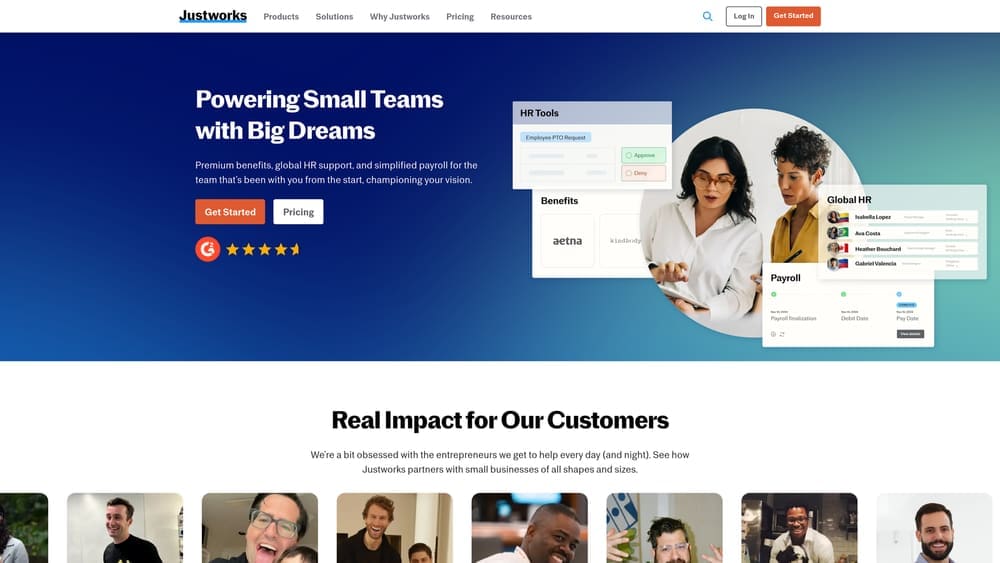
Justworks operates as a technology company that happens to provide PEO services. Their platform is built for self-service. You log in, manage payroll changes, review benefits enrollment, and handle time-off requests through a clean interface designed for minimal friction. Mobile apps work smoothly. Integrations with accounting software and time-tracking tools connect without constant troubleshooting.
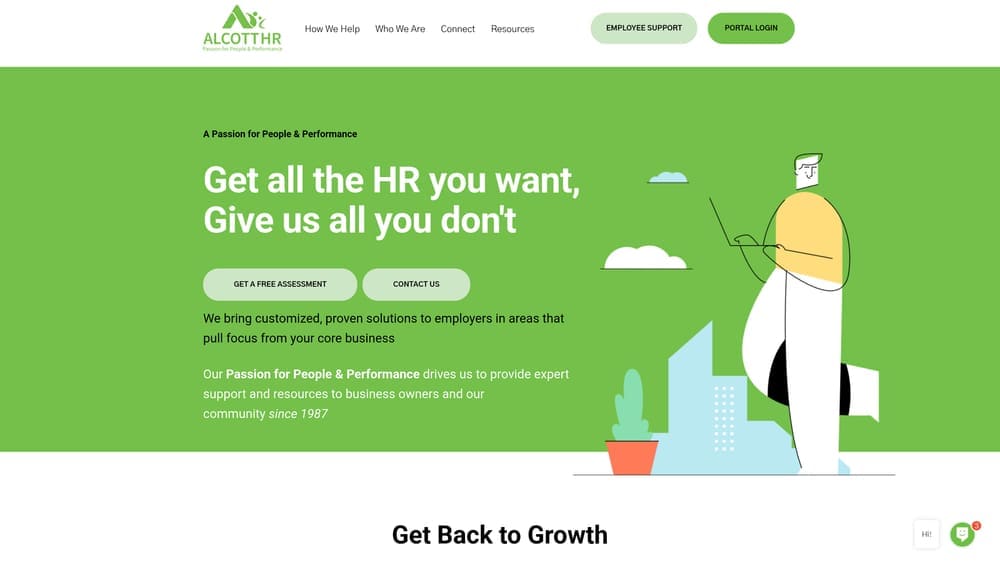
Alcott HR takes the opposite approach. Their platform exists, but it’s not the centerpiece of their service model. You’re assigned a dedicated account manager who handles most administrative tasks on your behalf. Need to process an off-cycle payroll? You call your rep. Questions about benefits enrollment? You’re speaking with a person, not navigating help documentation.
Where This Actually Matters
If your team is comfortable with software and you value speed over hand-holding, Justworks delivers. You don’t wait for callback windows or email responses. The system is designed for business owners who prefer clicking through tasks themselves rather than delegating to an external contact.
If your HR team is small or nonexistent, and you’d rather have someone else handle administrative details, Alcott HR’s model fits better. You’re paying for relationship-based service. That means slower response times on simple tasks, but deeper guidance when you’re dealing with complex scenarios like workplace investigations or compliance audits.
The Tradeoff
Justworks scales efficiently because their platform reduces the need for human intervention. That efficiency keeps costs lower, but you’re responsible for understanding how to use the system correctly. Alcott HR’s service model costs more in administrative fees because you’re paying for dedicated support hours. When evaluating PEO HR technology platforms, consider whether your team prefers self-service or guided support. Neither approach is wrong. The question is whether your team has the bandwidth and technical comfort to manage HR administration independently.
2. Geographic Footprint and Multi-State Complexity
The Coverage Question
Justworks operates nationally. They’re set up to handle employees across all 50 states without special accommodations. If you’re hiring remote workers in multiple states or planning geographic expansion, their infrastructure supports that growth without requiring custom agreements or service limitations.
Alcott HR is headquartered in Farmingdale, NY, and their operational strength centers on the Northeast corridor. They handle multi-state clients, but their expertise and service depth are concentrated in states where they’ve built regulatory relationships and compliance infrastructure over decades.
When Geography Drives the Decision
If your workforce is distributed across regions, or you’re scaling into markets outside the Northeast, Justworks provides consistent service quality regardless of where your employees live. Their compliance systems are built to handle state-specific tax requirements, paid leave programs, and wage laws without manual workarounds. For companies with distributed teams, reviewing professional employer organizations for multi-state companies can help clarify which providers handle geographic complexity best.
If your operations are concentrated in New York, New Jersey, Connecticut, or Pennsylvania, Alcott HR’s regional focus becomes an advantage. They understand local nuances that national providers often miss. They know which municipalities have specific wage theft ordinances, how to navigate New York’s complex disability insurance requirements, and when state-specific compliance changes are coming before they hit the news.
The Risk Factor
National providers like Justworks standardize processes to maintain consistency. That works well for common scenarios but can feel rigid when you’re dealing with unusual state requirements. Regional specialists like Alcott HR adapt more easily to local edge cases but may struggle to provide the same depth of service once you expand beyond their core markets. Consider where your workforce is now and where you expect to hire over the next three years.
3. Pricing Structure Transparency
How Each Provider Handles Costs
Justworks publishes their pricing structure directly on their website. Their Basic plan runs $59 per employee per month, and their Plus plan costs $99 per employee per month. Those rates include payroll processing, tax filing, benefits administration, and compliance support. You know what you’re paying before the sales conversation starts.
Alcott HR operates on custom quotes. You submit your headcount, industry, and service needs, and they build a proposal. Pricing varies based on factors like workers’ compensation risk classification, benefits package complexity, and the level of HR support you require. You won’t see a rate card until after initial discovery calls.
What Transparency Actually Means
With Justworks, you can budget accurately from day one. The per-employee-per-month model scales predictably as you grow. There are no surprise administrative fees buried in quarterly invoices. Understanding professional employer organization cost structures helps you compare apples to apples. The downside? You’re paying the same rate as every other client in your tier, regardless of whether you need all the included services.
With Alcott HR, pricing reflects your actual risk profile and service requirements. If your industry carries lower workers’ comp risk or you need minimal HR guidance, you might pay less than a standardized rate would cost. If your business presents higher risk or requires intensive support, you’ll pay more. The opacity makes budgeting harder, but the customization can work in your favor if your profile is favorable.
The Hidden Cost Factor
Justworks’ transparency stops at the base rate. You’ll still pay separately for benefits premiums, workers’ comp claims that exceed your payroll estimates, and any add-on services outside the standard package. Alcott HR’s custom quotes can include bundled services that Justworks charges for separately, but you won’t know until you compare proposals side by side. Request detailed breakdowns from both providers before making cost comparisons.
4. Benefits Administration and Access Quality
How Each Provider Structures Benefits
Justworks pools clients into a large risk group, which gives smaller businesses access to enterprise-level benefits plans. They partner with major carriers like Aetna, Cigna, and MetLife. Plan options are standardized across their client base, which means you’re choosing from a curated menu rather than building a custom package. Enrollment happens through their platform, and employees can compare plans, review coverage details, and make elections without HR involvement.
Alcott HR negotiates benefits packages based on your specific client profile. They work with regional carriers and can structure plans that reflect your industry, headcount, and claims history. Enrollment is more hands-on. Your account manager guides employees through the process, answers coverage questions, and handles exceptions that fall outside standard workflows.
Where Benefits Quality Diverges
Justworks’ pooled approach works well for companies with fewer than 50 employees. You’re accessing better plan options and lower premiums than you could negotiate independently. Learning how to set up benefits administration for your small business helps you evaluate what each provider actually delivers. The trade-off is limited customization. If you want to offer a high-deductible plan paired with an HSA, or you need specialized coverage for a unique workforce, you’re constrained by what Justworks has negotiated for their entire client base.
Alcott HR’s customization matters most when your workforce has specific needs. If you’re hiring in industries with high turnover or you need bilingual enrollment support, their hands-on approach reduces administrative friction. The downside is that smaller clients may not access the same plan quality that Justworks’ pooling provides. Your benefits package depends on Alcott HR’s negotiating leverage for your specific profile.
The Enrollment Experience
Justworks expects employees to self-enroll. The platform walks them through plan comparisons, but there’s no dedicated person answering questions in real time. That works fine for tech-savvy teams but can frustrate employees who struggle with benefits terminology or need help understanding coverage differences.
Alcott HR assigns support staff to guide enrollment. Employees can call with questions, and someone walks them through the decision. That level of service reduces enrollment errors and improves employee satisfaction, but it also means slower processing times during open enrollment periods.
5. Workers’ Compensation Handling
The Structural Difference
Justworks operates as a Certified Professional Employer Organization (CPEO), which is verifiable through the IRS public listing. That certification means they assume full responsibility for workers’ compensation obligations. They use a pay-as-you-go model tied to actual payroll, which eliminates large upfront deposits and end-of-year true-ups. Understanding what makes a certified professional employer organization different helps you evaluate the liability implications. Your workers’ comp costs are included in your monthly invoice based on real-time payroll data.
Alcott HR handles workers’ comp through traditional PEO co-employment structures. They classify your employees based on industry risk codes and calculate premiums accordingly. Depending on your claims history and risk profile, they may require deposits or audits at policy renewal. The model is more variable, which can work in your favor if your business operates in a low-risk classification.
When This Affects Your Cash Flow
Justworks’ pay-as-you-go model smooths cash flow. You’re not writing large checks at the start of the policy period or dealing with surprise bills when your actual payroll exceeds initial estimates. The downside is that you’re locked into their risk classification system. If your business operates in a category that Justworks prices conservatively, you might pay more than you would with a provider willing to negotiate based on your specific safety record.
Alcott HR’s approach allows for more negotiation if your claims history is favorable. They can adjust classifications and premiums based on your operational practices, safety programs, and past performance. The trade-off is less predictable costs. If your payroll fluctuates or you experience unexpected claims, you’ll face true-ups and adjustments that complicate budgeting.
The Claims Handling Reality
Justworks manages claims through their platform. You report incidents online, track claim status digitally, and receive updates without needing to call a representative. The process is efficient but impersonal. If you’re dealing with a complex claim that requires negotiation or detailed documentation, you’re working through support tickets rather than direct conversations. For a deeper look at how PEOs manage this area, review professional employer organization workers compensation responsibilities.
Alcott HR assigns claims to dedicated representatives who handle the process on your behalf. You’re speaking with someone who understands your business and can advocate during disputes or coverage questions. That personalized service matters most when claims involve ambiguity or require detailed investigation.
6. Compliance Support Depth
How Each Provider Approaches Compliance
Justworks provides compliance support through their platform and documentation library. They send alerts when federal or state regulations change, offer templates for required notices, and maintain a knowledge base covering common HR compliance questions. Their system flags issues like missed meal breaks or overtime miscalculations, but you’re responsible for interpreting the guidance and implementing corrective actions.
Alcott HR treats compliance as a consultative service. Your account manager proactively reviews your policies, flags potential risks, and helps you develop corrective action plans when issues arise. They’re more likely to call you when they notice a compliance gap rather than waiting for you to discover it through a platform alert.
Where Proactive Support Matters
If your business operates in a heavily regulated industry or you’re navigating complex scenarios like FMLA administration, workplace accommodations, or wage-hour audits, Alcott HR’s hands-on approach reduces risk. Understanding professional employer organization compliance responsibilities clarifies what shifts to the PEO and what stays with you. They’ll walk you through documentation requirements, help draft employee communications, and provide guidance during agency investigations.
If your compliance needs are straightforward and you’re comfortable interpreting regulatory guidance independently, Justworks’ platform-based support is sufficient. Their alerts keep you informed, and their documentation is comprehensive. You’re not paying for consultative hours you don’t need.
The Liability Question
Both providers reduce your compliance liability through co-employment, but they don’t eliminate it entirely. Justworks’ CPEO certification provides additional assurance around tax obligations, which matters if you’re concerned about IRS penalties. Alcott HR’s consultative model may catch operational compliance issues before they escalate, which reduces the risk of employee lawsuits or agency fines. Neither approach guarantees complete protection, but they shift liability differently depending on your risk profile.
7. Contract Terms and Exit Flexibility
What You’re Signing
Justworks operates on annual contracts with clear terms published in their service agreement. You’re committing to 12 months of service, and early termination typically requires 30 days’ notice plus payment for the remainder of the contract term. Their data portability is straightforward. You can export payroll records, benefits data, and employee information through the platform when you transition to another provider.
Alcott HR’s contracts are negotiated individually. Terms vary based on your service package, but they often include longer commitment periods or auto-renewal clauses that require advance notice to avoid extension. Reviewing what’s typically included in a professional employer organization agreement helps you spot red flags before signing. Data portability depends on what you’ve negotiated upfront. Some clients report smooth transitions with full data exports, while others struggle to retrieve historical records in usable formats.
When Exit Terms Become Critical
If your business is growing rapidly or you’re uncertain about long-term PEO needs, Justworks’ standardized contract terms provide more predictability. You know exactly what termination costs, and you’re not locked into multi-year agreements that become expensive to exit if your operational needs change.
If you’re confident in your PEO decision and you value relationship stability, Alcott HR’s longer contracts can work in your favor. They’re more likely to invest in understanding your business and building custom solutions when they know you’re committed for multiple years. The risk is that you’re paying penalties or losing service quality if you need to exit earlier than planned.
The Transition Reality
Switching PEO providers is disruptive regardless of who you’re leaving. Payroll transitions require careful timing to avoid gaps in employee payments. Benefits continuity depends on coordinating with new carriers and managing enrollment windows. Workers’ comp transfers involve policy endorsements and claims history documentation. If you’re considering a switch, our guide on leaving a bad PEO walks through the exit process step by step.
Justworks’ platform-based approach makes data extraction easier, but you’re still responsible for setting up new systems and training your team on different processes. Alcott HR’s relationship-based model can smooth transitions if your account manager is cooperative, but you’re dependent on their willingness to prioritize your exit tasks when they’re no longer earning revenue from your account.
Before signing with either provider, request specific language around termination procedures, data ownership, and transition support. Ask for examples of how they’ve handled client exits in the past. The quality of their response tells you how they’ll treat you when the relationship ends.
Making the Decision That Fits Your Business
Choosing between Justworks and Alcott HR comes down to your operational priorities. If you value transparent pricing, modern technology, and national scalability—and your team can handle self-service HR administration—Justworks likely fits better. If you need hands-on compliance guidance, operate primarily in the Northeast, or prefer relationship-based service over platform efficiency, Alcott HR deserves serious consideration.
Neither provider is universally better. The right choice depends on your headcount, geographic spread, industry risk profile, and how much HR support your team actually needs.
Before signing anything, request detailed service agreements from both providers and compare the specifics against your actual operational requirements. Pay attention to contract terms, data portability clauses, and what happens if you need to exit early. Ask about workers’ comp classification, benefits carrier options, and compliance support response times.
Before you renew your PEO agreement, compare your options. Most businesses overpay due to bundled fees and unclear administrative markups. We break down pricing, services, and contract structures so you can make a smarter decision.
The providers you’re evaluating won’t volunteer their weaknesses. Your job is to ask the questions that reveal where each model breaks down for your specific situation. Focus on the decision factors that affect your daily operations, not the marketing claims that sound impressive but don’t change how you actually run your business.