
When comparing TriNet and TriCore HR, most comparison articles bury you in feature lists that don’t help you make a decision. This guide cuts through that.
TriNet is a publicly traded national PEO serving thousands of businesses with a tech-forward platform and industry-specific solutions. TriCore HR operates as a regional PEO with roots in the Southwest, offering a more hands-on, relationship-driven approach.
Both handle payroll, benefits, HR compliance, and workers’ comp. But they serve different business profiles.
The real question isn’t which PEO is “better.” It’s which one fits your specific situation: your headcount, your geographic footprint, your growth trajectory, and how much you value personal service versus platform sophistication.
Here are the seven decision factors that will actually determine which provider makes sense for your business.
1. Geographic Footprint: National Reach vs Regional Depth
The Challenge It Solves
If you operate across multiple states or plan to expand regionally, your PEO needs to support that footprint without creating compliance gaps or administrative friction. If you’re concentrated in one region, you may benefit more from a provider with deep local expertise rather than broad national coverage.
This distinction matters more than most businesses realize. A national PEO operating in all 50 states brings standardized processes but may lack nuanced understanding of regional labor markets. A regional PEO knows local regulations intimately but can’t support you if you expand beyond their service area.
The Strategy Explained
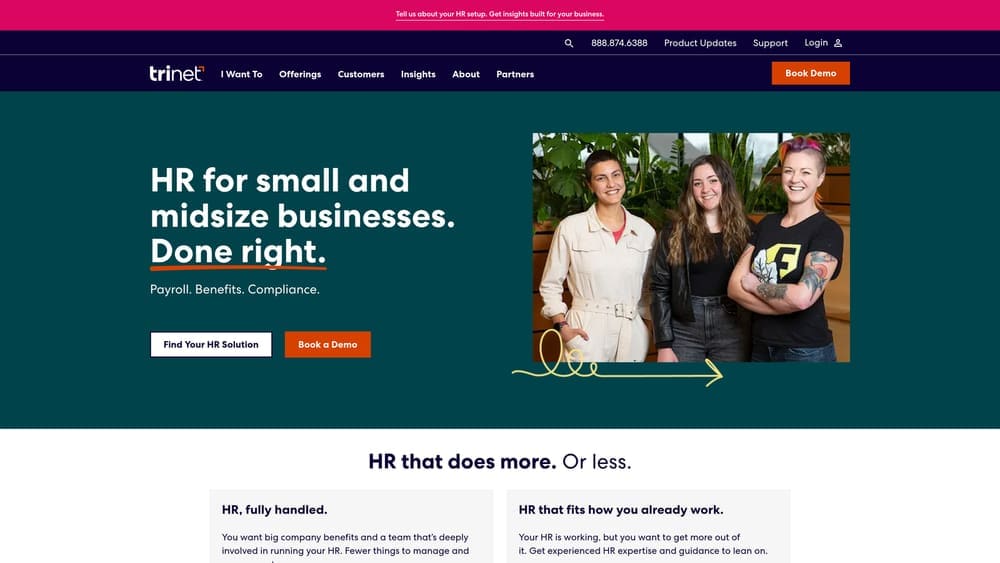
TriNet operates in all 50 states with established infrastructure for multi-state employers. They handle state-specific compliance, unemployment insurance, and workers’ comp across their entire footprint. Their platform is built to manage distributed workforces without requiring you to coordinate between regional offices.
TriCore HR focuses primarily on the Southwest United States. Their service model emphasizes regional market knowledge, local carrier relationships, and direct access to decision-makers who understand your market. They’re not designed for businesses with significant operations outside their core geography.
The practical difference: if you’re hiring in Arizona, Texas, and New Mexico with no plans to expand to the East Coast, TriCore HR’s regional focus may serve you better. If you’re planning to hire across the country or already operate in multiple regions, TriNet’s national infrastructure makes more sense. For businesses with employees in many states, understanding professional employer organizations for multi-state companies becomes essential.
Implementation Steps
1. Map your current employee locations and identify any states where you plan to hire within the next 18 months.
2. Ask each provider specifically about their operational presence in your states—not just whether they’re “licensed” there, but whether they have established carrier relationships and local expertise.
3. If you’re concentrated regionally, ask TriCore HR about their specific experience with local compliance issues, state-specific benefits requirements, and regional labor market conditions.
Pro Tips
Don’t assume national coverage automatically means better service. Some national PEOs handle less common states through third-party arrangements rather than direct infrastructure. Ask specifically how they operate in your states, not just whether they operate there.
2. Company Size Sweet Spot
The Challenge It Solves
PEOs design their service models around specific headcount ranges. When you fall outside a provider’s sweet spot, you either get over-serviced and overcharged or under-serviced and frustrated. Matching your current and projected headcount to the right provider prevents both problems.
This isn’t about arbitrary cutoffs. It’s about whether the provider’s operational model, pricing structure, and service delivery actually align with how businesses your size operate.
The Strategy Explained
TriNet primarily serves businesses in the 10-500 employee range, with particular strength in the 50-250 segment. Their platform and service model assume you have some internal HR capacity but need infrastructure, compliance support, and benefits access you can’t build yourself.
TriCore HR typically focuses on smaller businesses where direct relationship management makes economic sense. Regional PEOs often serve the 5-100 employee range more effectively because their business model doesn’t require the same technology overhead as national providers. If you’re evaluating options for a smaller company, reviewing professional employer organizations for small business can help clarify what matters most.
If you’re a 15-person company, TriCore HR’s hands-on approach may feel more responsive. If you’re a 200-person company with distributed locations, TriNet’s platform and self-service capabilities become more valuable.
Implementation Steps
1. Project your headcount 18-24 months out, not just your current size—you’re choosing a provider for where you’re going, not just where you are.
2. Ask each provider what percentage of their client base falls within your headcount range and whether they have dedicated service models for businesses your size.
3. Request references from companies within 20% of your headcount—a provider’s experience with 500-employee companies doesn’t tell you how they’ll serve your 50-person business.
Pro Tips
If you’re growing quickly, prioritize providers who can scale with you without forcing a platform migration. Switching PEOs mid-growth is disruptive. Ask specifically about their largest clients in your industry to gauge whether they can support your trajectory.
3. Technology Platform vs Relationship-Driven Service
The Challenge It Solves
Some businesses need sophisticated self-service technology because they have internal HR staff who want control and efficiency. Others need a provider who answers the phone and handles things for them because they don’t have dedicated HR resources. Mismatching your internal capacity to the wrong service model creates frustration on both sides.
The Strategy Explained
TriNet built a technology-forward platform with self-service portals, mobile apps, integrated HRIS functionality, and API connections to other business systems. Their model assumes you want to manage routine tasks yourself and escalate complex issues to their support team.
Their platform includes employee self-service for benefits enrollment, document management, time tracking integration, and reporting dashboards. If you have an internal HR person or office manager who’s comfortable with technology, this model provides efficiency. For a deeper look at what’s available, explore the best PEO HR technology platforms on the market.
TriCore HR operates with a relationship-driven service model where you work directly with assigned account representatives who handle tasks for you. This approach works better when you don’t have internal HR expertise or prefer delegating administrative work entirely.
The tradeoff: platform-driven providers scale more efficiently but require you to learn their system. Relationship-driven providers offer more personalized service but may respond slower during high-volume periods.
Implementation Steps
1. Assess your internal HR capacity honestly—do you have someone who will use a sophisticated platform, or do you need someone to handle things for you?
2. Request platform demos from TriNet and ask specific questions about how routine tasks are handled—can employees enroll in benefits themselves, or does everything route through your account rep?
3. Ask TriCore HR about their typical response times and how they handle urgent requests outside business hours.
Pro Tips
Don’t choose based on what sounds impressive. Choose based on how you actually work. A sophisticated platform doesn’t help if no one on your team will use it. Personal service doesn’t matter if you prefer handling routine tasks yourself without waiting for callbacks.
4. Benefits Access and Carrier Options
The Challenge It Solves
One of the primary reasons businesses join PEOs is access to better benefits at lower costs through pooled purchasing power. But not all PEOs offer the same carrier options, plan designs, or actual cost savings. Understanding what you’re actually getting access to—not just what’s theoretically available—determines whether the benefits justify the PEO relationship.
The Strategy Explained
TriNet partners with major national carriers and offers multiple plan options across medical, dental, vision, life, disability, and voluntary benefits. As a large national PEO, they negotiate rates based on their total covered population across all clients.
Their benefits platform includes decision support tools, enrollment technology, and carrier integration. You’ll typically have 3-5 medical plan options with recognizable carrier names, though specific options vary by location. Understanding the full scope of professional employer organization benefits helps you evaluate what each provider actually delivers.
TriCore HR leverages regional carrier relationships and may offer different plan structures based on local market conditions. Regional PEOs sometimes provide more flexibility in plan design or carrier selection because they’re not locked into national contracts.
The practical difference: TriNet’s national purchasing power may deliver better rates in competitive markets. TriCore HR’s regional focus may provide better options in Southwest markets where they have established relationships.
Implementation Steps
1. Request actual plan documents and rate sheets from both providers—not marketing materials, but the specific plans and costs available to companies your size in your location.
2. Compare total employee costs, not just employer contributions—your employees care about their paycheck deductions, not just what you’re paying.
3. Verify carrier networks in your specific area, especially if you have employees in smaller markets where network access varies significantly.
Pro Tips
Ask both providers what percentage of their clients in your headcount range choose each plan option. This reveals whether the “choice” is real or whether everyone ends up in the same plan because the alternatives aren’t competitive. Also verify whether rates are guaranteed for 12 months or subject to mid-year adjustments.
5. Pricing Structure Transparency
The Challenge It Solves
PEO pricing is notoriously opaque. Providers quote per-employee-per-month fees that sound reasonable until you discover additional charges for workers’ comp, benefits administration, implementation, technology access, or state-specific compliance. Understanding total cost of ownership before you sign prevents budget surprises six months in.
The Strategy Explained
TriNet typically uses a per-employee-per-month base fee structure with additional charges for workers’ comp (based on your industry classification and claims history), benefits administration, and platform access. Their pricing varies significantly based on your industry risk profile, headcount, and service level.
As a publicly traded company, TriNet operates with more standardized pricing tiers, but that doesn’t necessarily mean more transparency in the sales process. You’ll need to push for itemized quotes that break down every component. For context on typical fee structures, review what professional employer organization cost looks like across the industry.
TriCore HR may offer more pricing flexibility as a regional provider, but you’ll still need to understand the complete fee structure. Regional PEOs sometimes bundle services differently or negotiate more on pricing, but that flexibility cuts both ways—it can work in your favor or create confusion.
The critical question with both providers: what’s included in the base fee, and what costs extra? Implementation fees, technology access, employee support, compliance updates, and workers’ comp administration are all potential add-ons.
Implementation Steps
1. Request itemized quotes from both providers that break down base fees, workers’ comp costs, benefits administration, and any technology or implementation charges separately.
2. Ask specifically about costs that vary based on employee count, payroll volume, or claims experience—these are the fees that will change as your business grows.
3. Verify whether workers’ comp rates are guaranteed or subject to adjustment based on your experience mod or claims history.
Pro Tips
Don’t compare headline rates without understanding what’s included. A lower per-employee fee with high workers’ comp markups or expensive benefits administration can cost more than a higher base fee with transparent pass-through pricing. Ask for total projected annual cost, not just monthly per-employee rates.
6. Industry Specialization and Risk Classification
The Challenge It Solves
Your industry classification directly affects your workers’ comp costs, risk assessment, and which PEO will even accept you as a client. Some industries are considered high-risk and face limited PEO options or significantly higher costs. Understanding how each provider handles your specific industry prevents surprises during underwriting.
The Strategy Explained
TriNet markets industry-specific solutions for technology, life sciences, financial services, and professional services. These verticals include dedicated account teams, industry-specific compliance resources, and benefits packages designed for those sectors.
If you operate in one of their focus industries, you’ll likely get better service and more relevant expertise. If you’re in construction, manufacturing, or hospitality, you’re outside their core focus—that doesn’t mean they won’t serve you, but you won’t benefit from specialized resources.
TriCore HR handles a broader range of industries typical of Southwest markets, including some light industrial and service businesses. Regional PEOs often accept higher-risk industries that national providers avoid because they can assess risk more directly through local market knowledge. Understanding workers compensation responsibilities helps clarify what shifts to the PEO versus what stays with you.
The practical impact: if you’re a software company, TriNet’s technology vertical makes sense. If you’re a construction company in Arizona, TriCore HR may be more willing to work with you and price your risk fairly.
Implementation Steps
1. Ask each provider directly about their experience with businesses in your specific industry—not just general categories, but your exact business model.
2. Request references from companies in your industry vertical to verify their actual experience level and how they’ve handled industry-specific compliance issues.
3. Verify your workers’ comp classification code with both providers and ask how they’ve rated similar businesses—this is where pricing varies most dramatically.
Pro Tips
If you operate in a higher-risk industry, ask specifically about their claims management process and whether they have safety resources to help you reduce incidents. PEOs that specialize in your industry should offer proactive risk management, not just insurance coverage.
7. Contract Terms and Exit Flexibility
The Challenge It Solves
PEO contracts typically run 12 months with automatic renewal clauses and specific termination windows. If you don’t understand the exit terms before you sign, you may find yourself locked in for another year when you want to leave—or facing unexpected costs for data migration and benefits transition.
The Strategy Explained
TriNet’s contracts include standard termination provisions requiring 30-60 day notice during specific windows before your renewal date. Missing the termination window typically means automatic renewal for another 12 months. They’ll also specify terms for data portability, final payroll processing, and benefits transition.
As a larger provider, TriNet has standardized contract terms with limited negotiation flexibility. You’ll need to understand these terms upfront because you likely won’t change them significantly. Before signing anything, review what a typical professional employer organization agreement includes so you know what to negotiate.
TriCore HR may offer more flexibility in contract terms as a regional provider, but you’ll still need to negotiate clearly around termination provisions, data ownership, and transition support. Smaller providers sometimes accommodate custom terms more readily.
The critical issue with both providers: what happens to your data when you leave, how benefits transition works mid-year, and whether you’ll face penalties or administrative fees during termination.
Implementation Steps
1. Read the termination provisions carefully before signing—specifically the notice period, termination windows, and automatic renewal clauses.
2. Ask both providers for their standard offboarding process documentation so you understand exactly what happens if you decide to leave.
3. Verify data portability terms—can you export employee records, payroll history, and benefits information in usable formats, or are you locked into their system?
Pro Tips
Negotiate termination terms before you sign, not when you want to leave. If the contract requires 60 days notice during a 30-day window six months from now, you need calendar reminders set up immediately. Also verify whether benefits continuation is your responsibility or theirs if you terminate mid-year.
Making the Right Choice for Your Business
Choosing between TriNet and TriCore HR comes down to matching your business profile to each provider’s strengths.
If you’re operating across multiple states, planning aggressive growth, or want a sophisticated technology platform, TriNet’s national infrastructure makes sense. Their industry-specific verticals, self-service platform, and established carrier relationships work best for businesses with some internal HR capacity and multi-state operations.
If you’re concentrated in the Southwest, value direct relationships with your HR support team, and prefer negotiating with a smaller provider, TriCore HR deserves serious consideration. Their regional focus and relationship-driven service model serve smaller businesses effectively when you don’t need national coverage.
Before signing with either provider: get itemized pricing quotes that break down every fee component, verify their experience in your specific industry with references from similar companies, check those references carefully, and read the contract termination terms twice.
The best PEO relationship is one where the provider’s business model aligns with how you actually operate. Geographic footprint, headcount trajectory, internal HR capacity, and industry risk profile all matter more than feature lists or marketing claims.
Before you renew your PEO agreement, compare your options. Most businesses overpay due to bundled fees and unclear administrative markups. We break down pricing, services, and contract structures so you can make a smarter decision.