
Two PEOs, two very different approaches. ADP TotalSource brings enterprise-grade infrastructure and Fortune 500 benefits access to mid-sized companies. Workforce Business Services (WBS) offers a regional, high-touch model with more flexible pricing. Choosing between them depends on your headcount, growth trajectory, compliance complexity, and how much hand-holding you actually need. This comparison breaks down where each provider excels, where they fall short, and which business profiles fit each model best.
1. ADP TotalSource
Best for: Mid-sized companies needing enterprise-grade compliance infrastructure and Fortune 500 benefits access
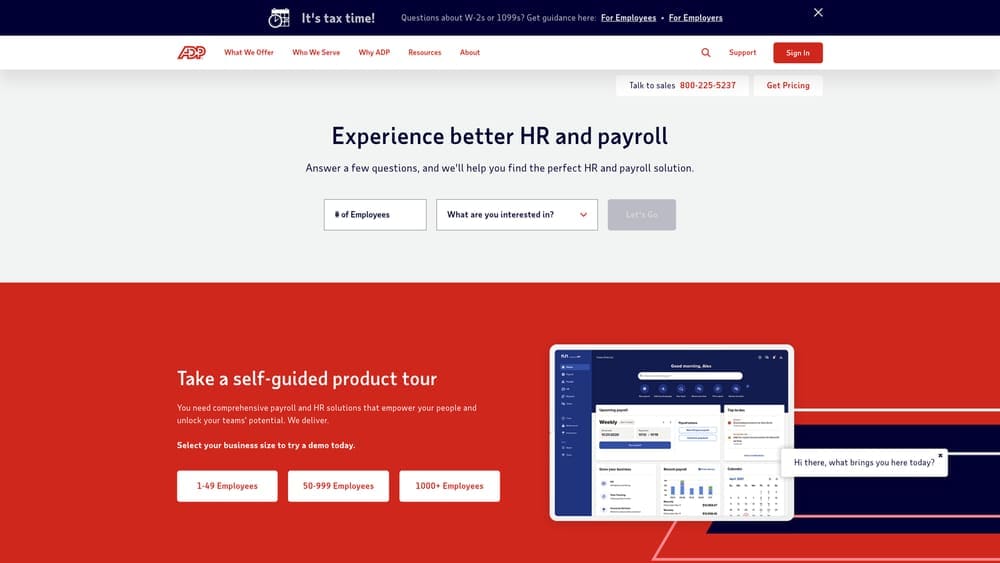
ADP TotalSource is the PEO arm of ADP, one of the largest HR services companies in the world, offering comprehensive technology, nationwide compliance coverage, and institutional benefits purchasing power.
Where This Tool Shines
ADP TotalSource leverages the scale and infrastructure of its parent company to deliver enterprise-level capabilities to mid-market businesses. You get access to benefits packages that would normally require thousands of employees to negotiate, compliance systems built for multi-state operations, and technology integration that connects payroll, HR, time tracking, and benefits administration in one ecosystem.
The platform works particularly well when you’re scaling across state lines or operating in industries with complex regulatory requirements. Their CPEO certification and established compliance protocols reduce your exposure to payroll tax liabilities and workers’ compensation issues that smaller PEOs sometimes struggle to manage consistently.
Key Features
Nationwide Multi-State Compliance Support: Handles state-specific tax filings, unemployment claims, and regulatory changes across all 50 states without requiring separate regional partnerships.
Integrated HR Technology Ecosystem: Connects payroll processing, benefits enrollment, time and attendance, performance management, and reporting through a unified platform with mobile access.
Large-Group Benefits Purchasing Power: Access to Fortune 500-level health insurance, retirement plans, and ancillary benefits through pooled purchasing that smaller companies cannot negotiate independently.
Dedicated HR Business Partner Model: Assigned HR generalist who handles employee relations issues, policy development, compliance questions, and strategic HR planning alongside transactional support.
CPEO Certified: IRS certification provides additional protection against payroll tax liabilities and demonstrates adherence to higher financial and operational standards than non-certified PEOs.
Best For
ADP TotalSource fits companies with 50-1,000+ employees that need robust compliance infrastructure and technology integration. You’ll benefit most if you operate in multiple states, have complex regulatory requirements, or want access to institutional-grade benefits without building an internal HR department. The platform works well for businesses prioritizing stability and scalability over highly personalized service relationships.
Pricing
Typically 4-8% of payroll, with pricing influenced by employee count, geographic distribution, and service complexity. Minimum employee counts often apply, making this less accessible for companies under 50 employees. Expect bundled pricing that includes technology access, compliance support, and benefits administration.
2. Workforce Business Services
Best for: Small to mid-sized businesses prioritizing personalized service and flexible contract terms
Workforce Business Services is a regional PEO emphasizing hands-on account management, industry-specific expertise, and contract flexibility rather than competing on scale.

Where This Tool Shines
WBS operates with a relationship-driven service model that feels more like a strategic partner than a processing vendor. You get direct access to decision-makers, faster response times, and account managers who actually know your business operations and employee roster. This matters most when you need quick answers on compliance questions, benefits issues, or payroll corrections without navigating enterprise-level support tiers.
The regional focus translates to deeper expertise in state-specific regulations and local market conditions. Their account managers typically handle fewer clients than national PEOs assign, which means more proactive outreach and less time spent re-explaining your business context every time you call.
Key Features
Dedicated Account Manager Relationships: Single point of contact who handles most service needs directly rather than routing requests through departmental queues or ticketing systems.
Flexible Contract Structures: More negotiable terms on service agreements, exit clauses, and pricing adjustments compared to standardized national PEO contracts.
Regional Expertise and Responsiveness: Focused knowledge of state-specific compliance requirements and local market conditions, with faster turnaround on questions and service requests.
Competitive Pricing for Smaller Employers: More accessible pricing models for companies under 50 employees that national PEOs often exclude or price uncompetitively.
Industry-Specific Experience: Concentrated expertise in particular sectors where they’ve built client portfolios, allowing for more relevant guidance on industry-specific HR challenges.
Best For
WBS works best for companies with 10-150 employees that value direct relationships and service responsiveness over technology sophistication. You’ll appreciate this model if you’re in a single state or limited region, need hands-on support during growth phases, or want more control over contract terms and service configurations. The platform fits businesses that prefer working with the same people consistently rather than enterprise support systems.
Pricing
Pricing varies by client size and service configuration, but generally offers more negotiation flexibility than larger PEOs. Expect more transparent breakdowns of administrative fees versus pass-through costs, with opportunities to adjust pricing as your headcount changes. More accessible for smaller employers who don’t meet minimum thresholds at national providers.
Making the Right Choice
Both ADP TotalSource and Workforce Business Services solve real HR problems, but for different company profiles.
ADP TotalSource makes sense when you need enterprise-grade infrastructure, multi-state compliance coverage, and access to Fortune 500-level benefits. You’re paying for scale, technology integration, and institutional stability. The platform works best when you have 50+ employees, operate across state lines, or prioritize comprehensive systems over personalized relationships. The tradeoff is less flexibility on contract terms and service configurations.
WBS fits better when you prioritize relationship-driven service, regional expertise, and more flexible terms. You get faster response times, direct access to decision-makers, and pricing structures that adapt as your business changes. This model works when you’re under 150 employees, operate primarily in one region, or need hands-on support during growth phases. The tradeoff is less technology sophistication and benefits purchasing power compared to larger PEOs.
The real decision factors come down to your headcount trajectory, geographic footprint, and service preferences. If you’re scaling quickly across multiple states, ADP’s compliance infrastructure and technology integration become more valuable. If you’re growing steadily within a region and want a partner who knows your business personally, WBS’s service model fits better.
Before committing to either, get detailed pricing breakdowns that separate administrative fees from benefits costs and payroll taxes. Verify their experience with your specific industry and state requirements. Ask about contract terms, exit clauses, and how pricing adjusts as your headcount changes. The right PEO should feel like a strategic partner, not just a vendor processing your payroll.
Before you renew your PEO agreement, compare your options. Most businesses overpay due to bundled fees and unclear administrative markups. We break down pricing, services, and contract structures so you can make a smarter decision.