
Comparing ADP TotalSource and Omega HR Solutions comes down to scale, service model, and what you’re willing to pay for. ADP is the enterprise-grade option with deep tech integration and national infrastructure. Omega HR is a regional player built for hands-on service and flexibility. This comparison breaks down where each PEO actually delivers—and where the tradeoffs hit when you’re signing a multi-year co-employment agreement.
1. ADP TotalSource
Best for: Mid-market companies needing national coverage, enterprise benefits, and integrated HR technology.
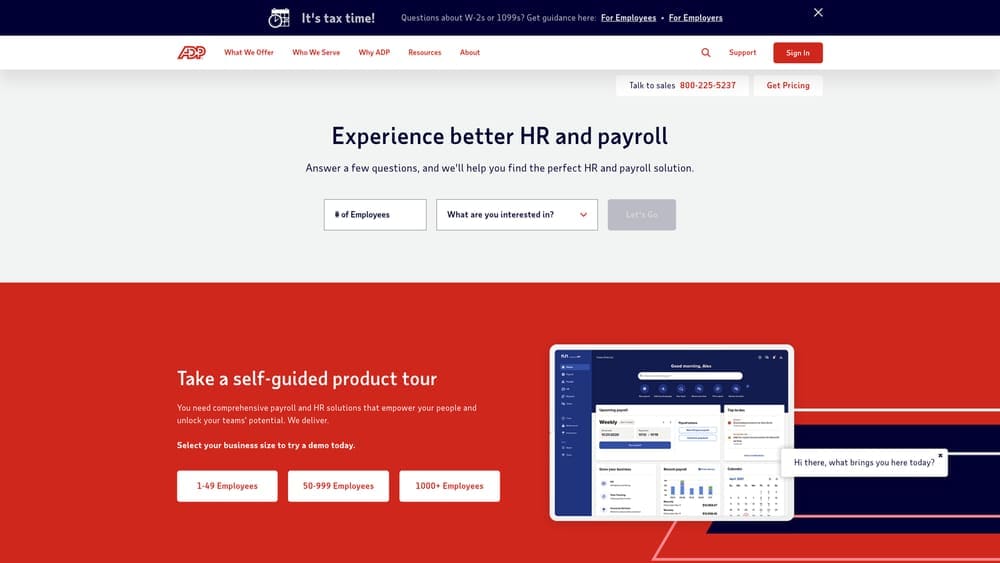
ADP TotalSource is an IRS-certified PEO (CPEO) with national infrastructure and deep integration across ADP’s HR ecosystem.
Where This Tool Shines
ADP TotalSource operates at enterprise scale. You get access to Fortune 500-level benefits because ADP aggregates purchasing power across thousands of clients. Their CPEO certification means they meet IRS standards for financial stability and compliance—important if you’re in a regulated industry or handling multi-state payroll.
The platform integrates with ADP’s broader HR technology stack. Payroll, benefits administration, time tracking, and compliance tools connect without manual data transfers. If you’re already using ADP for payroll, TotalSource becomes a natural extension rather than a disruptive system swap.
Key Features
IRS-Certified PEO (CPEO) Status: Meets federal certification standards for financial accountability and tax compliance.
National Multi-State Coverage: Handles payroll, benefits, and compliance across all 50 states without regional limitations.
Integrated HR Technology Platform: Unified system for payroll, benefits, time tracking, and employee self-service.
Dedicated HR Business Partner Support: Assigned HR consultant for compliance guidance and employee relations issues.
Fortune 500-Level Benefits Access: Medical, dental, vision, 401(k) plans negotiated at enterprise rates.
Best For
Companies with 50-500 employees operating in multiple states. Works well if you need predictable national compliance coverage, want enterprise benefits without enterprise headcount, or already use ADP for payroll. Less ideal if you’re under 30 employees or need highly customized service arrangements.
Pricing
Typically $150-250+ per employee per month. Final cost depends on headcount, state mix, and service tier. Larger companies often negotiate lower per-employee rates. Pricing is structured as a fixed monthly fee per employee rather than percentage-of-payroll.
2. Omega HR Solutions
Best for: Small to mid-sized businesses wanting personalized service and flexible pricing structures.
Omega HR Solutions is a regional PEO built around dedicated account management and adaptable contract terms.
Where This Tool Shines
Omega operates with a hands-on service model. You get a dedicated account manager who knows your business and picks up the phone. This matters when you need quick answers about a benefits question or a compliance issue that doesn’t fit a standard template.
Contract flexibility is the other differentiator. Omega offers percentage-of-payroll pricing as an option, which can work better for companies with seasonal revenue or variable headcount. They’re also more willing to negotiate terms than large national providers locked into standardized agreements.
Key Features
Dedicated Account Manager Model: Single point of contact who handles your questions and escalations directly.
Flexible Contract Terms: More room to negotiate pricing structure, service scope, and renewal terms than enterprise PEOs.
Regional Compliance Expertise: Deep knowledge of state-specific employment law in their operating regions.
Percentage-of-Payroll Pricing Option: Alternative to fixed PEPM fees, useful for businesses with fluctuating payroll.
Hands-On Onboarding Support: Personalized setup process with direct access to implementation team.
Best For
Companies with 10-150 employees in Omega’s service regions. Works well if you value responsive service over technology sophistication, need pricing flexibility, or want a partner who adapts to your business model. Less suitable if you operate in many states or need advanced HR tech integration.
Pricing
Typically 2-6% of payroll or negotiated PEPM rates. Smaller companies often see better value with percentage-based pricing. Actual cost depends on headcount, benefits selection, and service level. More negotiable than standardized enterprise pricing.
Making the Right Choice
The ADP vs Omega decision isn’t about which PEO is better. It’s about which one matches your operational reality.
ADP TotalSource makes sense when you need enterprise infrastructure. Multi-state compliance coverage without hiring state-specific HR expertise. Technology integration that connects payroll, benefits, and time tracking in one system. Fortune 500 benefits access even with 75 employees. The tradeoff is less service flexibility and higher baseline cost.
Omega HR Solutions fits when you want a regional partner who picks up the phone. Pricing flexibility matters more than brand recognition. You value responsive service over sophisticated technology. Your business operates in a concentrated geographic area rather than nationally. The tradeoff is less technology depth and smaller benefits purchasing power.
Before signing anything, get specific quotes based on your actual headcount and state mix. Ask about contract length, termination terms, and what happens if you outgrow the service model. Most PEO agreements lock you in for 12-24 months, so understanding the exit terms matters as much as the entry pricing.
And if neither feels right, that’s useful information. Plenty of other PEOs exist, and a PEO might not be the right HR model for your business at all. Before you renew your PEO agreement, compare your options. Most businesses overpay due to bundled fees and unclear administrative markups. We break down pricing, services, and contract structures so you can make a smarter decision.