
ADP TotalSource and ModernHR both operate in the PEO market, but they represent fundamentally different approaches to co-employment services. ADP brings enterprise infrastructure, national scale, and deep technology integration. ModernHR positions itself as a regional player with personalized service and relationship-driven account management. This isn’t about declaring one objectively better than the other. It’s about understanding which operational model aligns with your specific business reality.
The decision between these two providers comes down to how you prioritize scale versus personalization, technology depth versus human touch, and multi-state complexity versus regional focus. Many business owners approach this comparison looking for simple cost differences, but the real decision factors run deeper than monthly per-employee fees. The right choice depends on your company’s growth trajectory, operational complexity, and how much weight you place on platform capabilities versus dedicated service relationships.
We’ll walk through seven decision factors that separate ADP TotalSource from ModernHR, focusing on operational fit rather than marketing claims. Each factor represents a tradeoff worth understanding before you commit to either provider.
1. Company Scale and Infrastructure Depth
The Challenge It Solves
When evaluating PEO providers, business owners often underestimate how much operational infrastructure matters. You’re not just buying payroll processing and benefits administration. You’re relying on a provider’s ability to handle complex compliance scenarios, navigate multi-state employment regulations, and maintain service continuity when your business scales or encounters unexpected challenges.
The Strategy Explained
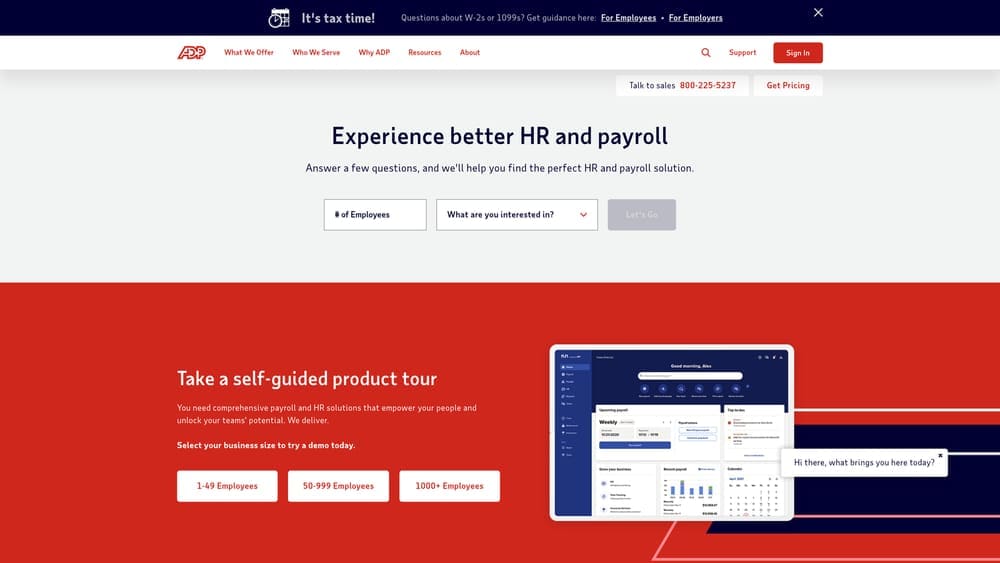
ADP TotalSource operates as a division of ADP, Inc., one of the largest payroll and human capital management companies globally. This means they bring decades of operational history, established carrier relationships, and technology infrastructure built to handle enterprise-level complexity. They serve thousands of client companies across all 50 states with IRS-certified PEO (CPEO) status.
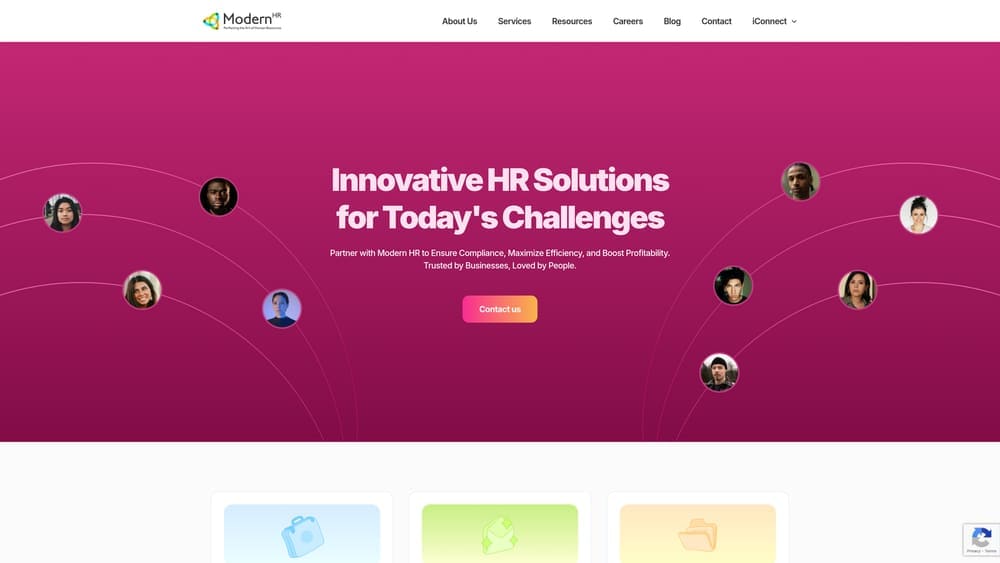
ModernHR operates at a different scale entirely. As a California-based regional PEO, they focus on personalized service delivery within their geographic footprint. This smaller scale allows for more direct client relationships but also means fewer resources for technology development and potentially less leverage with national benefits carriers.
Implementation Steps
1. Verify each provider’s CPEO certification status directly with the IRS to confirm tax liability protections.
2. Confirm ModernHR’s state registration and service availability if you operate or plan to expand into multiple states.
3. Ask both providers about their client retention rates and how long their average client relationship lasts.
Pro Tips
Larger infrastructure doesn’t automatically mean better service for your specific situation. If you operate primarily in California with no immediate multi-state expansion plans, ModernHR’s regional focus might actually provide more relevant expertise than ADP’s national capabilities.
2. Pricing Structure and Cost Transparency
The Challenge It Solves
PEO pricing remains frustratingly opaque across the industry. Neither ADP TotalSource nor ModernHR publishes transparent rate cards, which means business owners often struggle to understand what they’re actually paying for and whether they’re getting competitive pricing. This lack of transparency makes it difficult to compare providers objectively or identify unnecessary administrative markups.
The Strategy Explained
ADP TotalSource typically structures pricing as a percentage of payroll or a per-employee-per-month (PEPM) fee, often bundling technology access, benefits administration, and compliance support into a single rate. Their enterprise positioning generally means higher base costs, but you’re also getting access to their proprietary technology platform and established benefits networks. Understanding professional employer organization cost structures helps you evaluate whether you’re getting fair value.
ModernHR positions itself as a more cost-effective alternative to national providers, though actual pricing still requires direct quotes based on your company profile. Their smaller scale might allow for more negotiation flexibility, but they may lack the carrier leverage that larger PEOs use to secure competitive health plan rates.
Implementation Steps
1. Request detailed proposals from both providers that break down PEPM fees, administrative charges, and any additional technology or compliance fees separately.
2. Ask for all-in cost projections including workers’ compensation, state unemployment insurance, and benefits administration—not just base PEPM rates.
3. Verify whether pricing includes access to all platform features or if certain technology modules require additional fees.
Pro Tips
Many businesses focus exclusively on the PEPM rate and miss significant cost differences in workers’ comp markups, benefits administration fees, and termination penalties. The lowest quoted PEPM rate often isn’t the lowest total cost once you factor in all administrative charges and required services. Running a PEO cost vs payroll company analysis can reveal your true spend.
3. Technology Platform and User Experience
The Challenge It Solves
Your PEO’s technology platform determines how efficiently your team can manage payroll, benefits enrollment, time tracking, and employee self-service. A clunky or outdated system creates ongoing friction for HR administrators and employees, while a well-designed platform can streamline operations significantly. The gap between ADP’s proprietary technology and ModernHR’s approach represents one of the clearest differentiators between these providers.
The Strategy Explained
ADP TotalSource integrates directly with ADP’s broader human capital management ecosystem. This means you’re accessing technology infrastructure developed over decades with substantial ongoing investment. The platform handles payroll processing, benefits administration, time and attendance, talent management, and compliance reporting through a unified interface. The system is built to handle complex scenarios like multi-state payroll, varied pay schedules, and integration with third-party accounting software.
ModernHR relies more heavily on third-party integrations and partner platforms rather than proprietary technology. This approach can work well for straightforward payroll and benefits administration, but it may introduce limitations when you need advanced reporting, custom workflows, or deep integration with other business systems. Reviewing the best PEO HR technology platforms can help you understand what capabilities to expect.
Implementation Steps
1. Request live demos from both providers showing actual platform workflows for payroll processing, benefits enrollment, and employee self-service.
2. Test mobile app functionality if your employees need to access pay stubs, request time off, or update personal information from their phones.
3. Verify integration capabilities with your existing accounting software, time tracking systems, or other business tools you currently use.
Pro Tips
Ask current clients of each provider about platform reliability during critical periods like year-end processing or open enrollment. Technology that works smoothly 95% of the time but fails during high-stakes moments creates significant operational risk.
4. Benefits Administration and Health Plan Access
The Challenge It Solves
Access to competitive health insurance rates often drives PEO adoption in the first place. Small businesses struggle to secure affordable group health plans on their own, and PEOs promise access to large-group rates through their master health policies. However, not all PEO benefits access is created equal, and the difference between ADP’s carrier relationships and ModernHR’s network represents a significant decision factor.
The Strategy Explained
ADP TotalSource leverages its massive scale to negotiate with national carriers like UnitedHealthcare, Aetna, and Blue Cross Blue Shield. This large-group purchasing power typically translates to competitive premium rates and broader plan options. They can also offer benefits beyond health insurance, including dental, vision, 401(k) administration, FSA/HSA programs, and voluntary benefits like life insurance or disability coverage. Understanding the full scope of professional employer organization benefits helps you evaluate what you’re actually getting.
ModernHR works with regional carriers and may have strong relationships within California and their core service area. For businesses operating primarily in those regions, ModernHR’s carrier network might be perfectly adequate. However, companies with employees spread across multiple states may find more limited options compared to ADP’s national carrier relationships.
Implementation Steps
1. Request specific carrier names and plan options available through each PEO for your employee locations and demographics.
2. Compare actual premium quotes for equivalent coverage levels—not just the PEO’s claims about competitive rates.
3. Verify whether you can maintain your current health insurance carrier if you switch to either PEO, or if you’ll be required to move to their master health policy.
Pro Tips
Large-group rates aren’t automatically cheaper than small-group plans, especially if your current employee population is young and healthy. Run actual premium comparisons before assuming the PEO’s benefits access will save you money. Also confirm whether the PEO allows you to opt out of their health plan if you prefer to maintain your existing coverage.
5. Service Model and Account Management
The Challenge It Solves
When compliance questions arise, payroll issues need resolution, or you’re navigating a complex HR situation, the quality of your PEO’s service delivery matters enormously. The difference between getting a dedicated account manager who knows your business versus navigating a tiered support system can determine whether your PEO relationship feels like a partnership or a frustration.
The Strategy Explained
ADP TotalSource operates with a tiered service model. Larger clients typically receive dedicated account management, while smaller companies may interact with regional service teams or call center support for routine questions. This approach allows ADP to scale efficiently but can create inconsistent service experiences depending on your company size and contract value.
ModernHR positions relationship-driven service as a core differentiator. Their smaller client base allows for more personalized account management, and business owners often cite direct access to knowledgeable representatives as a key advantage. This boutique approach works well when you value human relationships over platform automation. Understanding how co-employment works helps you set realistic expectations for the service relationship.
Implementation Steps
1. Ask each provider specifically who will manage your account and what their typical client load looks like.
2. Request contact information for current clients in your industry and size range, then ask them about actual service responsiveness.
3. Clarify escalation procedures for urgent issues and whether you’ll have direct phone access or will need to submit tickets through a portal.
Pro Tips
Service quality often deteriorates after the initial onboarding period. Ask specifically about service delivery six months or a year into the relationship, not just during the sales process. Also verify whether your primary contact has authority to resolve issues or simply acts as a liaison to backend teams.
6. Compliance Support and Risk Management
The Challenge It Solves
Co-employment relationships shift certain employment liabilities to the PEO, but the extent of that protection varies significantly between providers. Understanding how ADP TotalSource and ModernHR handle compliance support, audit defense, and risk management determines your actual exposure when regulatory issues arise or employment claims occur.
The Strategy Explained
ADP TotalSource holds IRS-certified PEO (CPEO) status, which provides specific protections around federal employment tax liability. Their compliance infrastructure includes multi-state employment law expertise, automated tax filing, workers’ compensation claims management, and access to HR advisory services. The depth of their compliance resources reflects their scale and the regulatory complexity they navigate across thousands of client companies. For businesses in multiple locations, reviewing PEOs for multi-state companies provides additional context.
ModernHR’s compliance support focuses on their regional service area. For California-based businesses, they bring relevant state-specific expertise around wage and hour laws, leave administration, and local employment regulations. However, companies operating in multiple states should verify whether ModernHR’s compliance resources extend adequately beyond their core geographic focus.
Implementation Steps
1. Verify CPEO certification status for both providers directly with the IRS to confirm federal tax liability protections.
2. Ask specific questions about how each provider handles unemployment claims, workers’ comp audits, and wage and hour compliance in each state where you have employees.
3. Request copies of their co-employment agreements to understand exactly which liabilities transfer to the PEO and which remain with your business.
Pro Tips
CPEO certification provides meaningful protection around federal tax liability, but it doesn’t eliminate all employment risk. You remain responsible for workplace safety, discrimination claims, and various other employment-related liabilities regardless of your PEO relationship. Understanding PEO compliance responsibilities clarifies exactly what protection you’re actually getting before assuming the PEO shields you from all HR risk.
7. Contract Terms and Exit Flexibility
The Challenge It Solves
PEO contracts often lock businesses into multi-year commitments with significant termination penalties and complicated data portability requirements. Understanding the specific terms that govern your relationship with either ADP TotalSource or ModernHR determines your flexibility if the partnership doesn’t work out or your business needs change.
The Strategy Explained
ADP TotalSource typically requires annual contracts with specific termination windows and notice requirements. Their enterprise positioning means less negotiation flexibility on standard contract terms, though larger clients may secure more favorable conditions. Data portability and transition support vary depending on your contract specifics and whether you’re moving to another ADP product or leaving their ecosystem entirely.
ModernHR’s smaller scale might allow for more contract negotiation, including termination terms and transition support. However, you should still expect annual commitments and verify exactly what happens to your employee data, benefits administration, and payroll records if you decide to leave. Reviewing what’s in a professional employer organization agreement before signing protects your interests.
Implementation Steps
1. Review proposed contracts from both providers before signing, paying specific attention to termination clauses, notice requirements, and any penalties for early exit.
2. Ask explicitly about data portability—what employee information you can export, in what format, and whether there are fees for data extraction.
3. Verify whether you can maintain your current benefits plans if you terminate the PEO relationship or if employees will face coverage disruption.
Pro Tips
Many businesses discover unfavorable contract terms only when they try to leave. Read the actual service agreement, not just the proposal summary. Also confirm whether the PEO requires you to use their workers’ comp carrier and what happens to your loss history if you terminate the relationship.
Making the Right Choice for Your Business
The decision between ADP TotalSource and ModernHR comes down to operational priorities rather than objective superiority. ADP fits businesses that prioritize technology depth, multi-state complexity, and enterprise-grade benefits access. Their infrastructure supports companies experiencing rapid growth, navigating complex compliance scenarios, or needing sophisticated platform capabilities integrated with broader ADP services.
ModernHR may suit businesses valuing personalized service, regional focus, and potentially lower administrative costs. If you operate primarily in California with straightforward payroll needs and prefer relationship-driven account management over platform automation, ModernHR’s boutique approach might align better with your operational reality.
The right choice depends on your specific situation. Companies with 50+ employees spread across multiple states generally benefit from ADP’s infrastructure and carrier leverage. Smaller businesses operating regionally with less complex needs might find ModernHR’s service model more responsive and cost-effective.
Before you compare your options, request detailed proposals from both providers. Evaluate them against these seven factors rather than focusing exclusively on quoted PEPM rates. Most businesses overpay due to bundled fees and unclear administrative markups. We break down pricing, services, and contract structures so you can make a smarter decision.
Ask current clients about their actual experience six months into the relationship. Test the technology platforms with real workflows your team will use daily. Verify compliance capabilities for every state where you employ workers. Read the actual service agreement before signing, not just the proposal summary.
Neither provider is universally better. The question is which operational model fits your business reality, growth trajectory, and how much you value platform capabilities versus dedicated service relationships.