
Two mid-market PEOs, two different philosophies. Group Management Services (GMS) and Premier Employer Services both target small to mid-sized businesses, but they approach the co-employment relationship differently. GMS leans into technology-forward solutions with a national footprint, while Premier Employer Services emphasizes regional expertise and hands-on service. This comparison breaks down where each provider excels, where they fall short, and which business scenarios favor one over the other.
No fluff—just the decision factors that actually matter when you’re choosing between these two.
1. Group Management Services (GMS)
Best for: Growing businesses managing multi-state payroll and compliance with technology-driven HR needs.
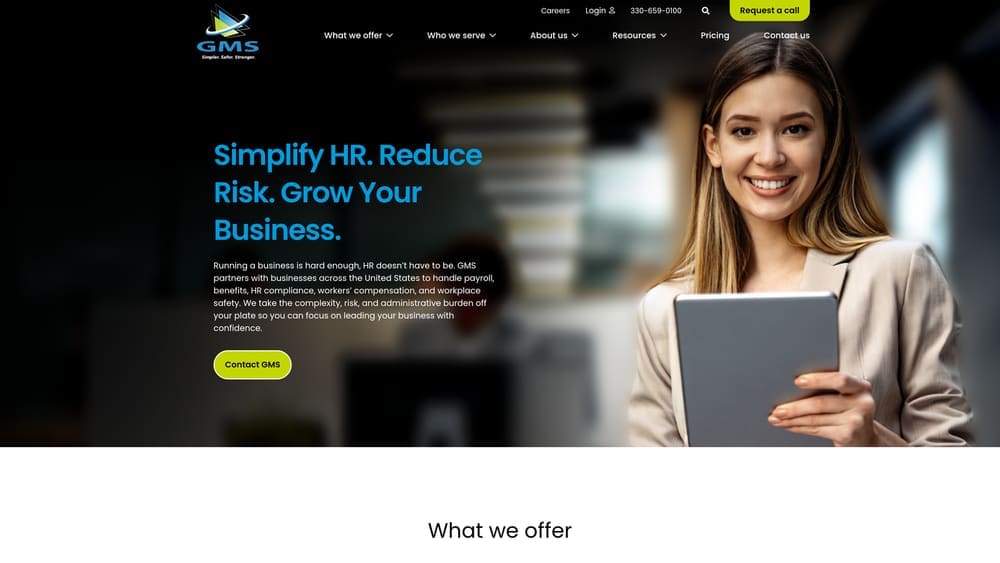
Group Management Services is an IRS-certified PEO headquartered in Richfield, Ohio, serving clients nationally with an emphasis on scalable technology infrastructure and multi-state compliance capabilities.
Where This Tool Shines
GMS built its platform around businesses that need to manage employees across state lines without hiring separate compliance consultants. The technology stack integrates payroll, benefits administration, and HR documentation into a unified system that reduces manual workarounds.
The IRS-certified status matters more than most providers acknowledge. It means GMS meets federal tax compliance standards and provides additional liability protection for client companies. If you’re operating in multiple jurisdictions, that certification reduces your exposure to payroll tax penalties.
Key Features
IRS-Certified PEO Status: Meets federal standards for tax compliance and provides additional liability protection for client businesses.
Multi-State Payroll and Tax Compliance: Handles payroll processing, tax withholding, and regulatory filings across state lines without requiring separate vendors.
Integrated HR Technology Platform: Unified system for payroll, benefits enrollment, time tracking, and employee documentation with self-service portals.
Scalable Workers’ Compensation Programs: Access to master policies with pricing based on actual payroll and risk classification, not fixed rates.
National Service Coverage: Support infrastructure designed for businesses operating in multiple states with centralized account management.
Best For
GMS works best for businesses with 25 to 250 employees operating in multiple states. If you’re managing remote teams or expanding into new markets, their compliance infrastructure reduces the administrative burden. Companies that prefer self-service technology over phone-based support will find the platform more aligned with their workflow.
Pricing
GMS typically charges per employee per month or as a percentage of payroll. Pricing varies based on headcount, geographic spread, and workers’ compensation risk classification. Expect higher costs if you operate in high-regulation states or carry elevated risk profiles.
2. Premier Employer Services
Best for: Small to mid-sized businesses prioritizing personalized service and relationship-driven account management.
Premier Employer Services operates with a regional focus, emphasizing dedicated account management and hands-on HR support for businesses that value direct access to their service team.
Where This Tool Shines
Premier Employer Services built its model around businesses that don’t want to navigate automated phone trees or ticketing systems. You get assigned account managers who know your business operations, not just your account number.
The regional approach means their team understands local compliance nuances and employment law variations. If you’re operating primarily in one or two states, that depth of regional knowledge often outweighs the benefits of a national platform.
Key Features
Dedicated Account Management: Assigned service team that handles your account directly, not rotated through call center queues.
Regional Compliance Expertise: Deep knowledge of state-specific employment regulations, wage laws, and compliance requirements.
Flexible Service Arrangements: More willing to customize service packages and negotiate contract terms for smaller businesses.
Hands-On HR Support: Direct access to HR consultants for employee relations issues, policy development, and compliance questions.
Relationship-Driven Approach: Service model built around ongoing communication and proactive support rather than reactive ticketing systems.
Best For
Premier Employer Services fits businesses with 10 to 100 employees operating primarily within a defined geographic region. If you value direct phone access to your account team and prefer relationship-based service over self-service portals, their model aligns better with that expectation. Companies with complex employee relations situations benefit from the hands-on HR support.
Pricing
Premier Employer Services typically charges per employee per month, with more flexibility for smaller headcounts. Regional providers often offer more transparent pricing structures and are more willing to negotiate terms. Expect lower administrative fees compared to national providers, but verify what’s included in base pricing versus add-on services.
Making the Right Choice
Choosing between GMS and Premier Employer Services comes down to your operational priorities. If you’re managing employees across multiple states and need robust technology to scale, GMS offers the infrastructure. If you’re regionally focused and value a provider who knows your name—not just your account number—Premier Employer Services delivers that relationship.
Neither is universally better. The right choice depends on your headcount, growth plans, and how much hands-on support you actually need.
GMS makes sense when you’re expanding into new states or managing remote teams across jurisdictions. The technology platform reduces manual compliance work and the IRS-certified status provides additional liability protection. You’ll sacrifice some personalized service for the sake of scalability.
Premier Employer Services fits when you operate primarily in one or two states and want direct access to your service team. You get more flexibility in contract negotiations and pricing structures, but you may outgrow their capabilities if you expand nationally.
Before signing anything, get quotes from both and compare them against your current costs using a structured breakdown. Most businesses overpay due to bundled fees and unclear administrative markups. Before you renew your PEO agreement, compare your options. We break down pricing, services, and contract structures so you can make a smarter decision.
The decision isn’t just about cost. It’s about whether you need national infrastructure or regional expertise, whether you prefer self-service technology or hands-on account management, and whether your growth trajectory requires scalability or stability.
Get both providers to clarify what’s included in base pricing versus add-on services. Ask about contract terms, termination clauses, and how they handle mid-year rate adjustments. The differences matter more than the marketing materials suggest.