
Most PEO comparisons focus on feature lists and marketing promises. But when you’re choosing between Engage PEO and Sequoia One, what matters is whether the provider’s operational model actually fits how your business works—and where you’re headed.
Both target growing companies, but they come from fundamentally different places. Engage PEO operates as a traditional co-employment model with broad service bundling. Sequoia One emerged from a benefits consulting background and positions itself specifically for venture-backed and high-growth companies with complex equity structures.
The decision isn’t about which provider has more features. It’s about which operational model aligns with your business type, growth trajectory, and actual HR complexity. We’ll break down the real decision factors—not marketing language—so you can determine which provider (if either) fits your operational reality.
1. Target Company Profile Alignment
Why Business Type Matters More Than Features
The biggest mistake in PEO selection is comparing providers without first understanding who they’re designed to serve. Engage PEO and Sequoia One target different business profiles, and forcing a mismatch creates operational friction regardless of feature parity.
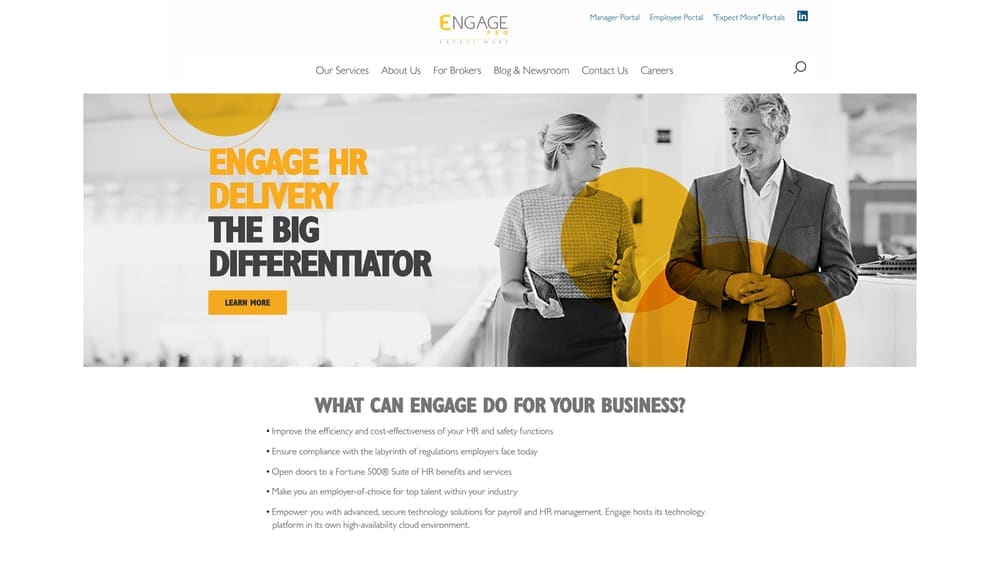
Engage PEO follows the traditional PEO model: bundled services for established SMBs with straightforward HR needs. If you’re a regional manufacturer, professional services firm, or traditional B2B company with 20-200 employees, that model typically works. You get payroll, benefits administration, compliance support, and HR guidance in one package.
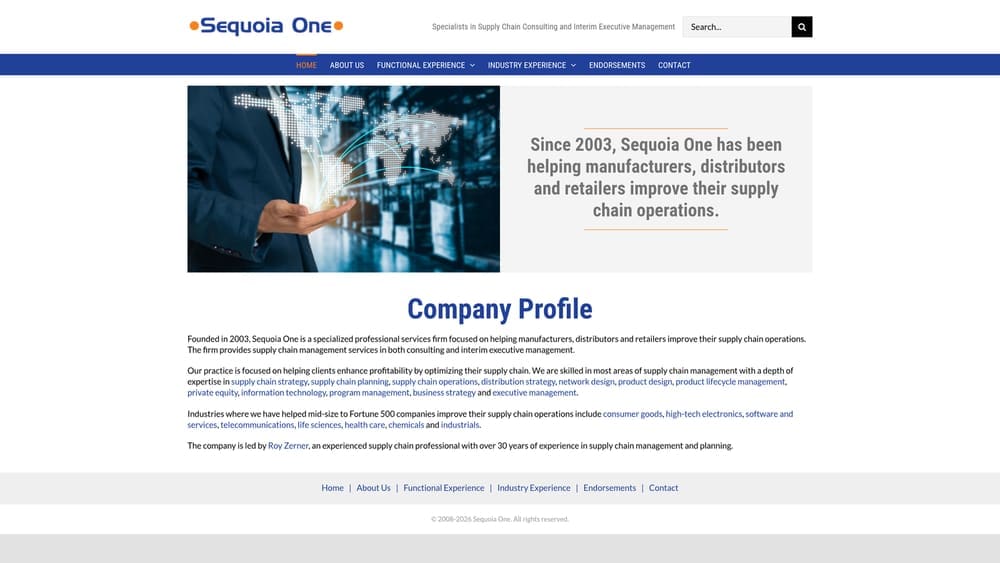
Sequoia One specifically targets venture-backed and high-growth companies. Their heritage in benefits consulting means they’re built for businesses with equity compensation complexity, frequent headcount changes, and integration requirements with modern HR tech stacks. If you’re raising capital, managing ISO and RSU grants, or scaling from 30 to 150 employees in 18 months, that’s their wheelhouse.
The Mismatch Risk
If you’re a traditional SMB with stable headcount and no equity complexity, Sequoia One’s tech-forward approach may feel like overkill. You’ll pay for capabilities you don’t need.
If you’re a venture-backed company with complex cap tables and rapid scaling plans, Engage PEO’s traditional bundled model may lack the flexibility and integration capabilities you actually need. You’ll spend time working around limitations rather than focusing on growth.
Decision Factor
Map your business profile first. Are you venture-backed with equity complexity? Do you need deep integration with modern HR tools? Are you scaling quickly across multiple states? That points toward Sequoia One. Are you an established SMB with straightforward HR needs prioritizing compliance simplicity? That points toward Engage PEO. Understanding how to choose a PEO starts with this alignment exercise.
2. Pricing Structure Analysis
Bundled vs. Modular Approaches
Engage PEO typically operates on traditional PEO pricing: a percentage of payroll (commonly in the 3-8% range depending on headcount and risk factors) that bundles most core services. You get payroll, benefits administration, compliance support, and HR guidance in one monthly fee.
The advantage is simplicity. One invoice, predictable costs, no nickel-and-diming for individual services. The disadvantage is inflexibility. If you only need payroll and benefits administration but not full HR support, you’re still paying for the bundle.
Sequoia One’s benefits consulting heritage means they often structure pricing more modularly. You may see per-employee-per-month fees for specific services rather than pure percentage-of-payroll bundling. This approach offers more flexibility to scale services as you grow, but it requires more careful evaluation of what you actually need.
Hidden Cost Factors
Both providers will have administrative fees beyond the headline percentage. With traditional PEOs like Engage PEO, watch for workers’ comp markups (often 10-25% above direct carrier rates), benefits administration fees, and state unemployment tax handling. Understanding hidden PEO fees helps you evaluate proposals more accurately.
With Sequoia One’s modular approach, the base fee may look attractive, but add-on services for equity administration, advanced reporting, or specialized compliance support can increase total cost. The question isn’t which is cheaper—it’s which cost structure aligns with what you actually use.
Pricing Transparency Reality
Neither provider publishes pricing publicly. You’ll need to request quotes based on your specific situation. When evaluating proposals, ask for line-item breakdowns of workers’ comp markups, benefits administration fees, and any per-employee charges beyond the base percentage. A detailed PEO cost breakdown example shows what these components typically look like.
3. Benefits Administration Approach
Master Health Plan Pooling vs. Brokerage Flexibility
This is where the providers’ different backgrounds create meaningful operational differences.
Engage PEO operates as a traditional PEO with master health plan pooling. Your employees join the PEO’s group health plan alongside other client companies. This approach can provide access to better rates than you’d get independently, especially if you’re a smaller company with limited negotiating power.
The tradeoff is limited plan customization. You choose from the PEO’s available options rather than designing a benefits package specifically for your workforce. If your employees value benefits flexibility or you’re competing for talent in a market where benefits differentiation matters, this constraint becomes real.
Sequoia One’s benefits consulting heritage means they typically operate more as a benefits broker within the PEO structure. You get more flexibility to customize plans and access to a broader range of carrier options. This matters significantly for companies where benefits are a competitive differentiator in talent acquisition.
When Flexibility Actually Matters
If you’re hiring in competitive tech markets where candidates compare benefits packages closely, Sequoia One’s brokerage approach gives you more differentiation capability. If you’re a traditional SMB where benefits are important but not a primary competitive factor, Engage PEO’s pooled approach may provide better value.
Enrollment and Administration
Both providers handle benefits enrollment and administration, but implementation differs. Sequoia One’s tech platform typically offers more self-service capabilities for employees. Engage PEO leans more on traditional service model with dedicated support. Learning how to manage open enrollment through your PEO helps you evaluate which approach fits your workforce.
4. Technology Platform Capabilities
Integration Requirements
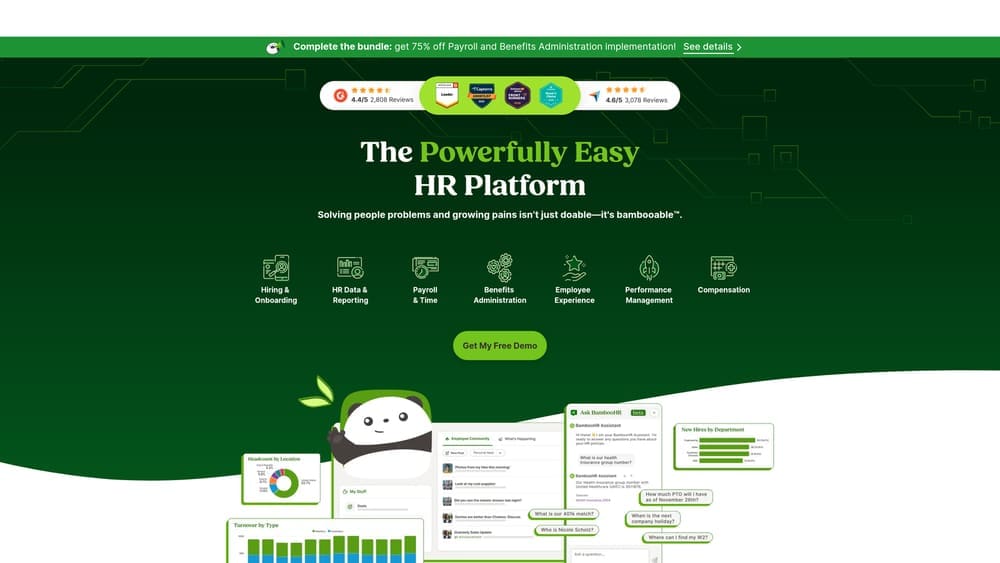
If you’re already using modern HR tools like BambooHR, Greenhouse, or Lattice, integration capability becomes a real decision factor. Sequoia One’s tech-forward positioning typically means better API connectivity and integration with common HR tech stacks.
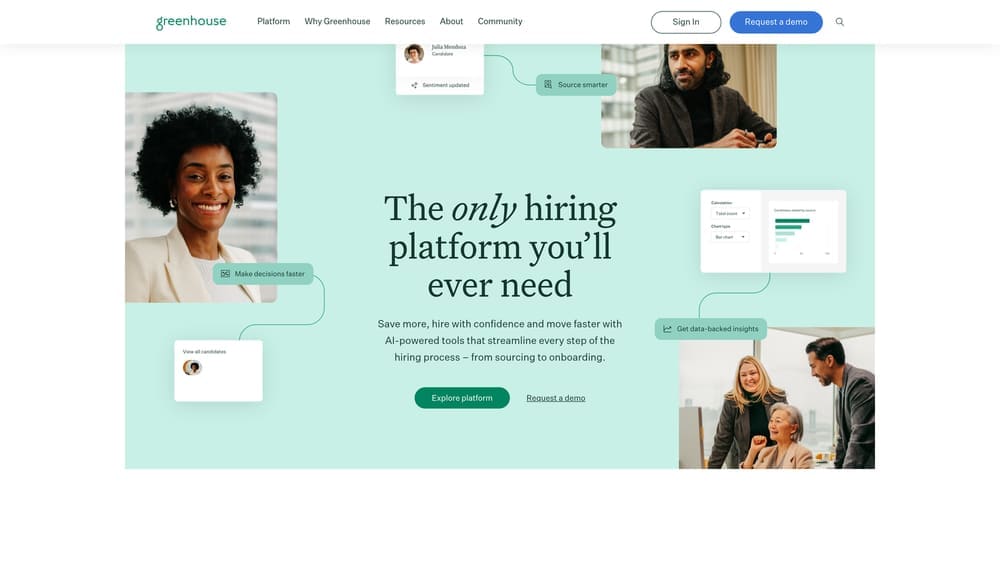
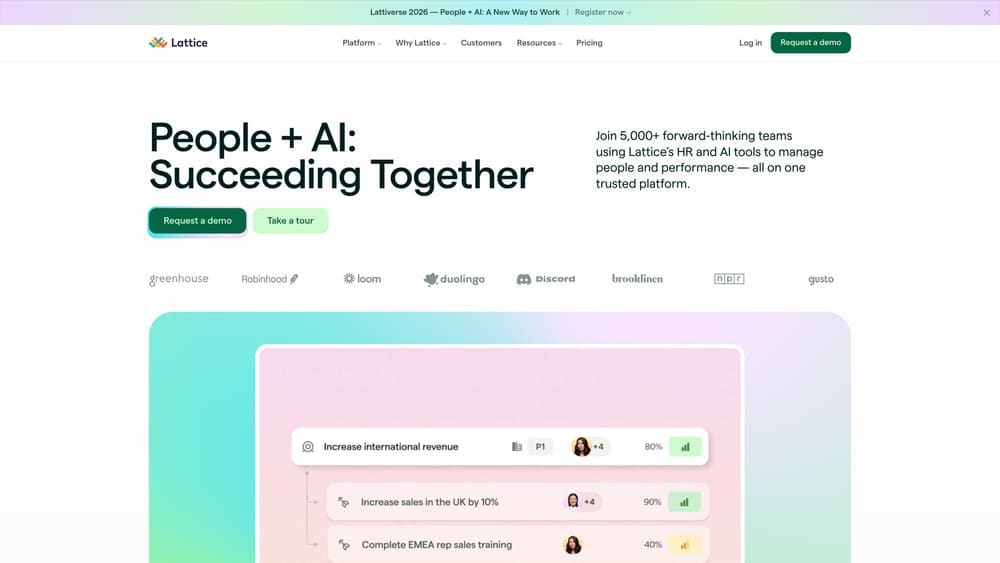
Engage PEO operates on more traditional PEO platforms. You’ll get functional payroll and benefits administration, but deep integration with external HR tools may be limited. Understanding how to set up PEO payroll integration helps you assess what’s actually possible with each provider.
Employee Self-Service
Both providers offer employee portals for pay stubs, benefits information, and basic HR tasks. Sequoia One’s platform typically feels more modern with better mobile experience. Engage PEO’s platform is functional but may feel dated compared to consumer-grade apps your employees use daily.
This matters more than it sounds. If your workforce expects modern digital experiences, a clunky platform creates frustration and increases HR support burden. If your employees aren’t tech-focused, platform aesthetics matter less than reliability.
Reporting and Analytics
Sequoia One generally provides more robust reporting capabilities and custom analytics, which matters for venture-backed companies where investors want detailed workforce metrics. Engage PEO offers standard PEO reporting—sufficient for compliance and basic HR management, but less flexible for custom analysis. Reviewing PEO HR technology platforms can help you understand what capabilities to expect.
5. Compliance and Risk Exposure
Multi-State Complexity Handling
Both providers handle multi-state payroll tax compliance as part of the PEO model. This is table stakes. Where they differ is in how they support rapid expansion into new states.
If you’re scaling quickly and adding new states frequently, Sequoia One’s operational model typically accommodates faster expansion. Their systems are built for companies that might add five new states in a quarter.
Engage PEO handles multi-state compliance competently, but their traditional model assumes more stable geographic footprint. If you’re expanding methodically rather than explosively, this works fine. If you’re opening remote positions in new states monthly, you need a provider built for that pace. For multi-state operations, reviewing national PEO companies gives you additional options to consider.
Workers’ Comp Approach
Both providers include workers’ comp as part of the PEO relationship, but the underlying structure matters. Traditional PEOs like Engage PEO typically use their own master workers’ comp policy where you pay a percentage markup over direct carrier rates.
Sequoia One’s approach may offer more flexibility depending on your risk profile and industry. For low-risk industries, this could mean better effective rates. For high-risk industries, you’re still subject to experience rating that affects pricing.
The key question: what’s the total effective workers’ comp rate including all markups and fees? Don’t compare headline percentages without understanding the complete cost structure.
HR Compliance Support
Both providers offer HR compliance guidance, but delivery differs. Engage PEO typically provides dedicated HR generalist support with scheduled check-ins. Sequoia One leans more toward on-demand support with specialized expertise when needed. Understanding PEO shared liability helps clarify what compliance responsibilities remain yours.
6. Contract Terms and Exit Planning
Commitment Length and Renewal
Most PEO contracts run 12 months with auto-renewal clauses. Both Engage PEO and Sequoia One likely follow this standard. The critical details are in the termination notice requirements and what happens if you want to exit mid-term.
Traditional PEOs like Engage PEO often have 60-90 day notice requirements for termination. If you decide to leave, you’re typically locked in through the end of the current term plus notice period. This protects the PEO’s planning but limits your flexibility if business conditions change.
Sequoia One’s terms may offer more flexibility given their focus on high-growth companies where circumstances change quickly. But don’t assume—review specific termination provisions before signing. A thorough PEO service agreement overview explains what to look for in these contracts.
Data Portability
What happens to your payroll history, benefits data, and employee records if you leave? Both providers should provide data export, but format and completeness vary.
Ask specifically about data export formats before signing. Can you get payroll history in a format your next provider can import cleanly? What about benefits enrollment data and employee documentation? Messy data transitions create operational headaches when you’re already managing a provider change.
Negotiation Leverage
PEO contracts are more negotiable than they appear. Before signing with either provider, understand what’s actually flexible: pricing structure, service level commitments, termination provisions, and data ownership terms. Learning how to compare PEO contracts gives you the framework to negotiate effectively.
7. Alternative Path Evaluation
When Neither Provider Fits
The most important decision factor is recognizing when neither Engage PEO nor Sequoia One actually solves your core problem.
If you’re below 15 employees, full PEO services may be overkill. You might get better value from payroll providers with benefits administration add-ons. Understanding PEO minimum employees required helps you determine if you’re at the right scale for co-employment.
If your primary need is workers’ comp cost reduction, compare direct carrier quotes against PEO markups. Sometimes the PEO’s master policy saves money, sometimes it doesn’t. Run the numbers with actual quotes.
Regional vs. National Providers
Both Engage PEO and Sequoia One are smaller providers compared to national PEOs like Insperity, TriNet, or ADP TotalSource. Smaller providers often deliver more personalized service, but they may lack geographic coverage or specialized industry expertise.
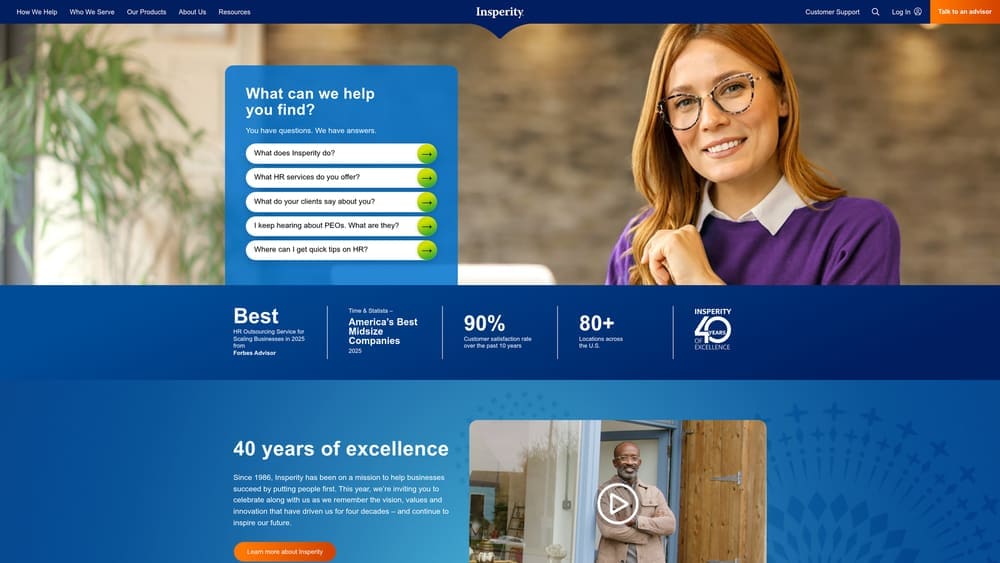
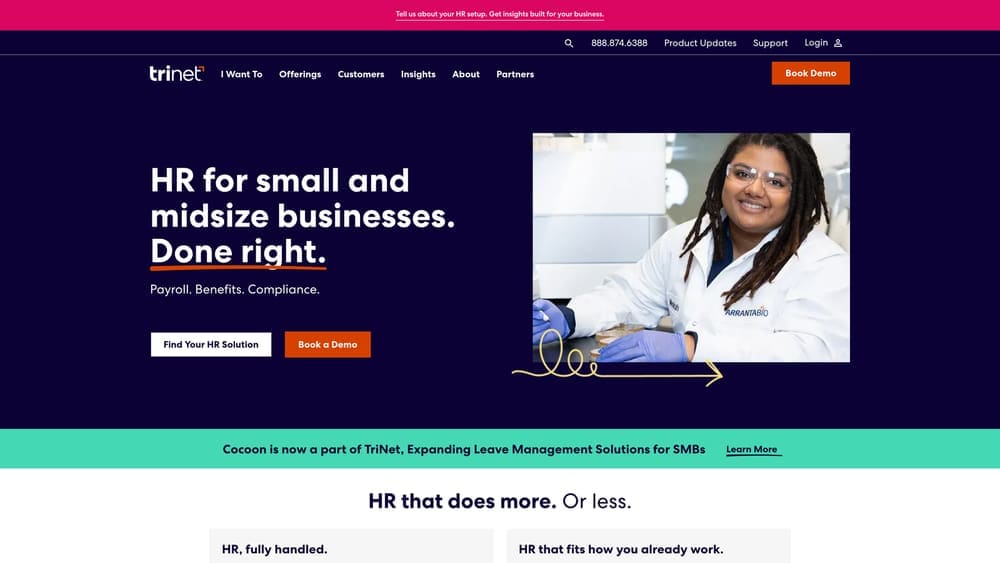

If you’re expanding nationally or operate in a highly regulated industry, larger national providers might offer better compliance infrastructure. If you value direct relationships and responsive service, regional PEO companies often deliver better client experience.
Unbundled Services Approach
Before committing to either PEO, consider whether you actually need the full co-employment model. Could you get better value from:
Payroll provider + benefits broker + HR consultant = potentially lower total cost with more flexibility
CPEO (Certified PEO) for workers’ comp and tax compliance only = targeted risk management without full service bundling
The PEO model makes sense when you need comprehensive HR infrastructure and compliance support. If you only need specific pieces, unbundling often costs less and provides more control.
Making the Decision That Fits Your Business
The Engage PEO vs. Sequoia One decision comes down to business type alignment, not feature checklists.
Sequoia One makes sense for venture-backed companies with equity complexity, rapid scaling plans, and integration requirements with modern HR tech stacks. Their benefits consulting heritage and tech-forward platform fit companies where benefits differentiation matters and workforce growth is fast.
Engage PEO fits traditional SMBs with straightforward HR needs prioritizing compliance simplicity and bundled services. If you’re an established business with stable headcount and no complex equity structures, their traditional PEO model delivers solid value without unnecessary complexity.
Before signing with either provider, map your actual operational needs against each provider’s core strengths. What’s your growth trajectory? Do you need equity administration support? How important is HR tech integration? Are you competing for talent where benefits differentiation matters?
And don’t hesitate to explore alternatives if neither aligns with your growth trajectory. Sometimes the best PEO decision is recognizing you don’t need a PEO at all.
Before you renew your PEO agreement, compare your options. Most businesses overpay due to bundled fees and unclear administrative markups. We break down pricing, services, and contract structures so you can make a smarter decision.