
Two PEOs that couldn’t be more different in philosophy. Abacus operates as a traditional co-employment PEO with high-touch service and regional focus. Rippling built a tech-first platform that happens to offer PEO services alongside its broader HR and IT stack.
This comparison isn’t about which is “better.” It’s about which model fits how your business actually operates.
We’ll break down the real decision factors: who each serves best, where pricing models diverge, and the operational tradeoffs you’ll live with daily. If you’re evaluating both, you’re likely at a crossroads between wanting hands-on support versus wanting software control.
Let’s clarify that decision.
1. Understanding the Core Model Difference
The Challenge It Solves
Most business owners assume all PEOs work the same way — you sign up, they handle payroll and benefits, and you pay a monthly fee. That assumption breaks down immediately when comparing Abacus and Rippling.
The confusion stems from fundamentally different business models. One built a company around co-employment. The other built software and added PEO capabilities later.
The Strategy Explained
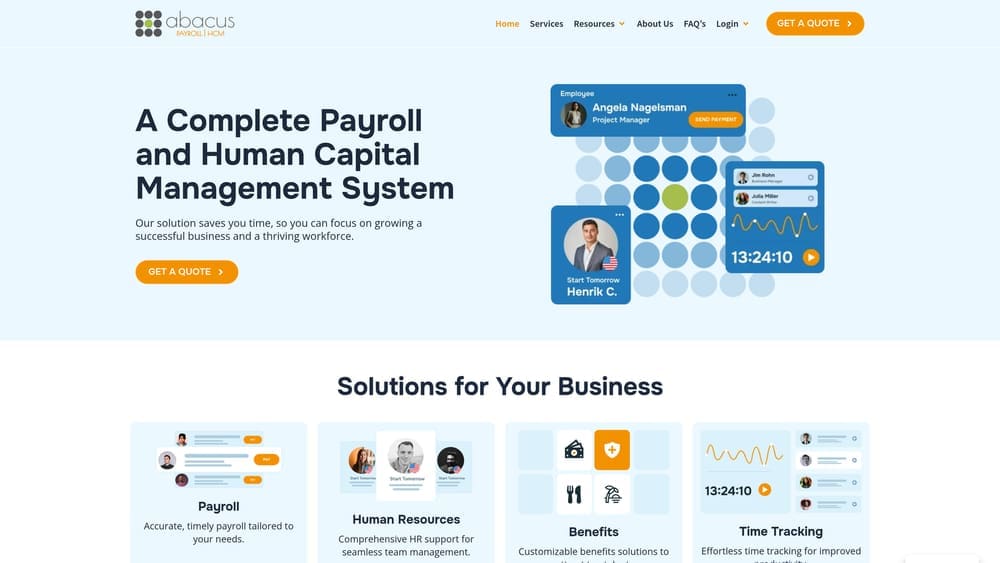
Abacus operates as a traditional Professional Employer Organization. Co-employment is the core product. You partner with them, they become the employer of record for tax and benefits purposes, and they provide bundled HR services through that relationship.
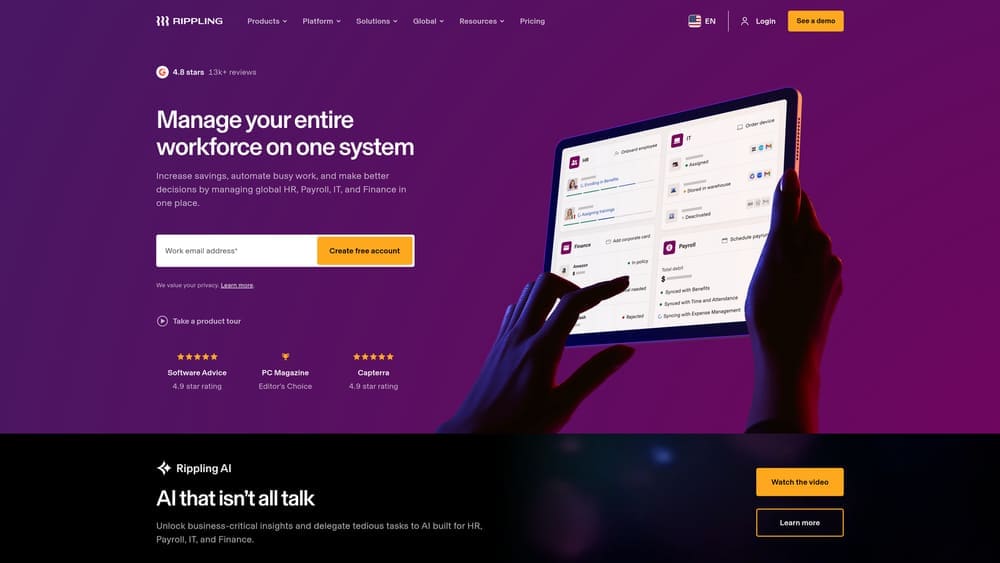
Rippling started as an HR and IT management platform. In 2020, they launched PEO services as an optional module within their broader software ecosystem. You can use Rippling without the PEO. You can’t use Abacus without co-employment.
This structural difference affects everything downstream — pricing, flexibility, service delivery, and exit options. Understanding how a PEO works step by step helps clarify what you’re actually buying with each model.
Implementation Steps
1. Determine whether you need a PEO relationship or software with optional PEO features.
2. Ask each provider what percentage of their clients use PEO services versus standalone software.
3. Clarify what happens if you want to drop PEO services but keep other functionality.
Pro Tips
If you’re primarily solving for compliance risk and benefits access, the traditional PEO model usually delivers faster. If you’re building an integrated tech stack and want flexibility to change your mind later, the modular approach makes more sense.
2. Decoding the Pricing Structure
The Challenge It Solves
PEO pricing opacity frustrates most business owners. You ask for a quote and get percentages, per-employee fees, administrative charges, and benefits markups — all structured differently depending on the provider.
Abacus and Rippling price their services in fundamentally different ways, which makes direct comparison difficult without drilling into specifics.
The Strategy Explained
Traditional PEOs like Abacus typically use bundled per-employee pricing. You pay a percentage of payroll or a flat per-employee-per-month fee that includes payroll processing, benefits administration, compliance support, and HR access. Additional services may cost extra, but the core bundle is straightforward.
Rippling uses modular pricing. You pay for the platform, then add modules for payroll, benefits, time tracking, device management, and PEO services. Each module has its own fee structure. This gives you control over what you pay for, but also means your total cost depends heavily on which features you activate. A detailed PEO cost breakdown example can help you understand what you’re actually paying for.
The tradeoff: bundled pricing is simpler but less flexible. Modular pricing lets you customize, but requires more decision-making and can become expensive if you need multiple modules.
Implementation Steps
1. Request detailed breakdowns from both providers showing exactly what’s included at each price tier.
2. List every HR function you currently handle and map which provider covers it in their base offering.
3. Calculate total cost for your specific headcount and state, including benefits administration fees and any add-on modules.
Pro Tips
Ask Rippling for total cost with all modules you’d realistically use, not just the base platform fee. Ask Abacus what’s excluded from the bundled price. Many businesses discover they’re comparing incomplete quotes. Watch for hidden PEO fees that aren’t disclosed upfront.
3. Evaluating the Technology Experience
The Challenge It Solves
You’ll interact with your PEO’s platform almost daily. Clunky software wastes time. Missing integrations create manual workarounds. The technology experience directly affects operational efficiency.
Abacus and Rippling approach technology from opposite directions, and that difference shows up in daily use.
The Strategy Explained
Abacus provides a purpose-built PEO interface focused on payroll, benefits enrollment, compliance tracking, and HR documentation. The platform does what traditional PEOs need to do — process payroll accurately, manage benefits elections, store employee records, and generate compliance reports.
Rippling built a unified business platform that manages HR, IT, and finance operations in one system. Beyond standard PEO functions, you can provision laptops, control app access, automate onboarding workflows, and integrate with hundreds of third-party tools. The PEO module sits inside this broader ecosystem. Exploring PEO HR technology platforms can help you evaluate what features matter most for your operations.
If you only need PEO services, Rippling’s additional capabilities may feel like unnecessary complexity. If you’re managing remote teams with distributed devices and multiple software tools, the unified platform becomes valuable.
Implementation Steps
1. Request live demos from both providers showing actual workflows you’ll use daily.
2. Test mobile access if your team manages HR tasks outside the office.
3. Identify which third-party tools you currently use and verify integration availability with each platform.
Pro Tips
Don’t evaluate technology in isolation. The best platform is the one your team will actually use consistently. If your operations are straightforward, simpler often wins. If you’re managing complex workflows across multiple systems, integration depth matters more.
4. Comparing Service Models and Support
The Challenge It Solves
When payroll breaks, benefits elections get confused, or compliance questions arise, you need answers fast. The service model determines whether you get a dedicated contact who knows your business or a support ticket system.
This difference becomes critical during year-end processing, open enrollment, or when handling employee issues that require immediate attention.
The Strategy Explained
Abacus operates with named account teams and relationship-based support. You typically get a dedicated account manager, benefits specialist, and payroll contact who handle your account specifically. When you call, you’re talking to someone familiar with your company, industry, and history. This approach is common among regional PEO companies that prioritize local business support.
Rippling emphasizes self-service automation with support available when needed. The platform is designed to let you handle most tasks independently through the software. Support exists, but the model assumes you’ll use documentation, automated workflows, and in-app guidance first.
Neither approach is inherently better. It depends on whether you want someone managing things for you or prefer controlling processes yourself with software assistance.
Implementation Steps
1. Ask Abacus how account team assignments work and what happens if your primary contact leaves.
2. Ask Rippling about average support response times and whether you get a dedicated contact at your company size.
3. Clarify what level of support is included in base pricing versus what requires premium service tiers.
Pro Tips
Test support before signing. Call with a specific scenario during the sales process and evaluate how each provider responds. That interaction previews what you’ll experience as a client.
5. Understanding Benefits Administration Approaches
The Challenge It Solves
Benefits are often the primary reason businesses consider a PEO. Access to better health plans, lower rates through group purchasing, and simplified administration all sound appealing.
But benefits delivery varies significantly between providers, and the difference affects both cost and employee satisfaction.
The Strategy Explained
Traditional PEOs like Abacus typically maintain direct relationships with regional insurance carriers and negotiate master health plans. Your employees join these existing plans as part of the PEO’s larger group. This model often delivers competitive rates, especially for smaller businesses that couldn’t negotiate similar terms independently.
Rippling uses a broker integration model. They partner with benefits brokers and carriers but don’t operate as the master policyholder in the same way. You may have more carrier options, but group purchasing leverage varies depending on how Rippling structures their benefits network in your state.
The practical difference: Abacus benefits feel more standardized but predictable. Rippling offers more flexibility but requires more active decision-making during plan selection. Learning how to manage open enrollment through your PEO helps you prepare for this annual process regardless of which provider you choose.
Implementation Steps
1. Request specific carrier names and plan options available in your state from both providers.
2. Compare premium costs, deductibles, and network coverage for plans similar to what you currently offer.
3. Ask how benefits administration fees are calculated and whether they’re included in base pricing or charged separately.
Pro Tips
Benefits pricing varies dramatically by state and industry. Don’t assume either provider automatically delivers better rates. Get actual quotes based on your employee demographics and location before making assumptions.
6. Planning for Exit Complexity
The Challenge It Solves
Most businesses don’t think about leaving a PEO when they’re signing up. That’s a mistake. Exit complexity affects your negotiating position, contract terms, and long-term flexibility.
PEO transitions involve payroll tax transfers, benefits continuity, and data migration. How each provider handles departures matters.
The Strategy Explained
Traditional PEOs like Abacus follow standard co-employment termination processes. You’ll need to transition payroll tax accounts back to your business, move employees off the PEO’s benefits plans, and migrate historical HR data. This process typically requires 30-90 days of planning and coordination. Having a clear PEO exit strategy guide helps you navigate this transition smoothly.
Rippling’s modular structure creates different exit scenarios. If you’re using the full platform including PEO services, you can potentially drop the PEO module while keeping other functionality. If you’re leaving entirely, you’ll handle similar transitions but may have more control over timing due to the software-based architecture.
Both providers will have contract terms governing termination notice periods, final billing, and data access. These details matter more than most businesses realize.
Implementation Steps
1. Request sample contracts from both providers and review termination clauses specifically.
2. Ask about data export capabilities and what information you can take with you if you leave.
3. Clarify whether you’re locked into annual contracts or have flexibility to terminate with notice.
Pro Tips
Negotiate termination terms before signing, not when you’re trying to leave. Many businesses discover restrictive clauses only when they attempt to switch providers. Ask about early termination fees, data retention policies, and transition support explicitly. Understanding how to compare PEO contracts before signing protects you from unfavorable terms.
7. Identifying Your Best Fit Scenario
The Challenge It Solves
You’ve compared models, pricing, technology, and service. Now you need to decide which provider actually fits your business.
The answer depends less on which PEO is objectively better and more on how your company operates, what you value, and where you’re headed.
The Strategy Explained
Abacus makes sense if you want traditional co-employment with hands-on support. Businesses that fit this profile typically need help managing compliance, prefer relationship-based service, and value simplicity over customization. If you’re in a regulated industry, operate in multiple states, or lack internal HR expertise, the bundled model often delivers better outcomes.
Rippling fits businesses that want control, integration, and flexibility. Companies that thrive with this model usually have some internal HR capability, manage distributed teams with complex IT needs, and prefer software-driven workflows over service relationships. If you’re already using multiple SaaS tools and want unified administration, Rippling’s platform approach makes more sense. You might also want to explore ADP TotalSource vs Rippling PEO for another perspective on enterprise-level alternatives.
Neither provider works well for businesses that want the opposite of what they offer. Don’t choose Abacus if you need extensive customization and software integration. Don’t choose Rippling if you want someone else managing HR for you.
Implementation Steps
1. List your top three operational priorities — cost control, compliance support, technology integration, service quality, or flexibility.
2. Map which provider better addresses each priority based on their actual model, not marketing claims.
3. Talk to current clients of both providers in your industry and ask about day-to-day experience, not just features.
Pro Tips
The best decision comes from honest self-assessment. If you struggle with HR complexity and want help, admit that and choose accordingly. If you prefer controlling systems yourself, don’t pretend you want a service relationship. Match the provider to how you actually work, not how you think you should work.
Making Your Final Decision
The Abacus vs Rippling decision often comes down to one question: do you want a PEO relationship or a software platform that includes PEO capabilities?
Abacus delivers the traditional model — bundled services, dedicated support, straightforward co-employment. You’re buying a service relationship where someone else manages the complexity.
Rippling offers flexibility and tech depth, but requires more self-direction. You’re buying software that gives you control over how HR, IT, and PEO functions integrate across your business.
Before signing with either, get specific answers on pricing for your headcount, benefits options in your state, and what support actually looks like day-to-day. Request sample contracts from both and compare termination clauses carefully.
Before you renew your PEO agreement, compare your options. Most businesses overpay due to bundled fees and unclear administrative markups. We break down pricing, services, and contract structures so you can make a smarter decision.
The right choice depends on whether you’re buying a service or building a system. Answer that question honestly, and the decision becomes clearer.