
You’ve narrowed your PEO search to two very different options. NetPEO operates as a PEO broker—they don’t provide PEO services themselves, but instead connect you with multiple third-party providers based on your needs. Rippling, on the other hand, is a tech-first platform that added PEO services in 2022 to their existing HR, payroll, and IT management suite. They’re a direct provider with proprietary software.
This isn’t a simple feature comparison. The fundamental difference in how these companies operate means you’re choosing between two distinct service models: guided access to multiple PEO options versus an integrated platform with built-in PEO functionality.
The right choice depends entirely on your operational reality—your existing technology investments, your team’s capabilities, your growth trajectory, and how much control you want over provider selection. Some businesses need the flexibility of multiple provider options. Others benefit from a unified platform that handles everything in one place.
This guide breaks down seven decision factors that actually matter when comparing these approaches. We’ll skip the marketing language and focus on practical tradeoffs that affect your day-to-day operations and long-term costs.
1. Broker Model vs Direct Platform
The Challenge It Solves
Most business owners assume all PEO services work the same way. They don’t. The structural difference between NetPEO and Rippling determines who you’re actually contracting with, who handles compliance, and where you turn when something goes wrong.
This distinction matters more than most feature comparisons because it shapes every interaction you’ll have with the service.
The Strategy Explained
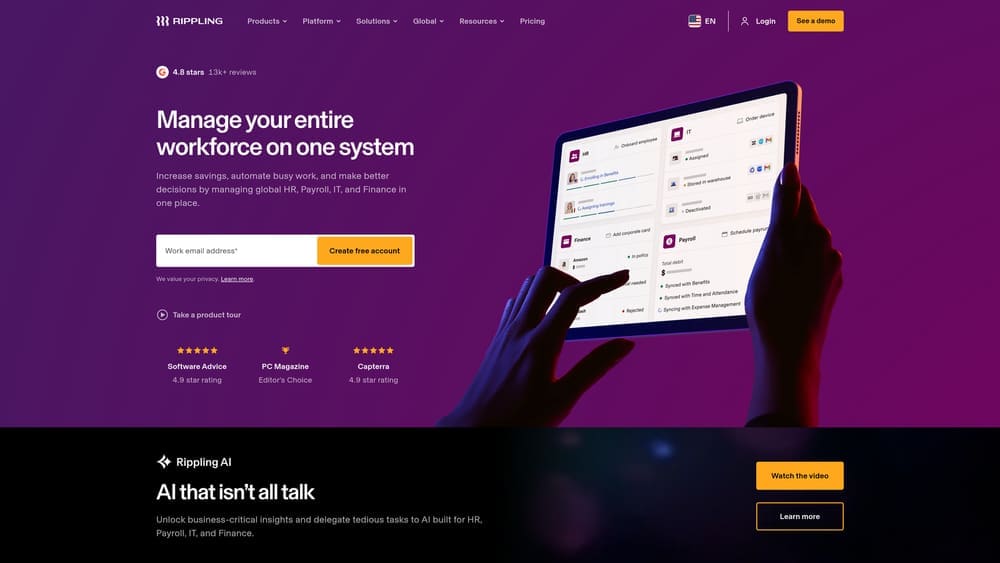
NetPEO functions as an intermediary. They assess your business needs, match you with one of their partner PEO providers, and facilitate the connection. Your actual PEO contract is with the matched provider, not with NetPEO. They earn broker fees for this service—either from you, the provider, or both depending on the arrangement.
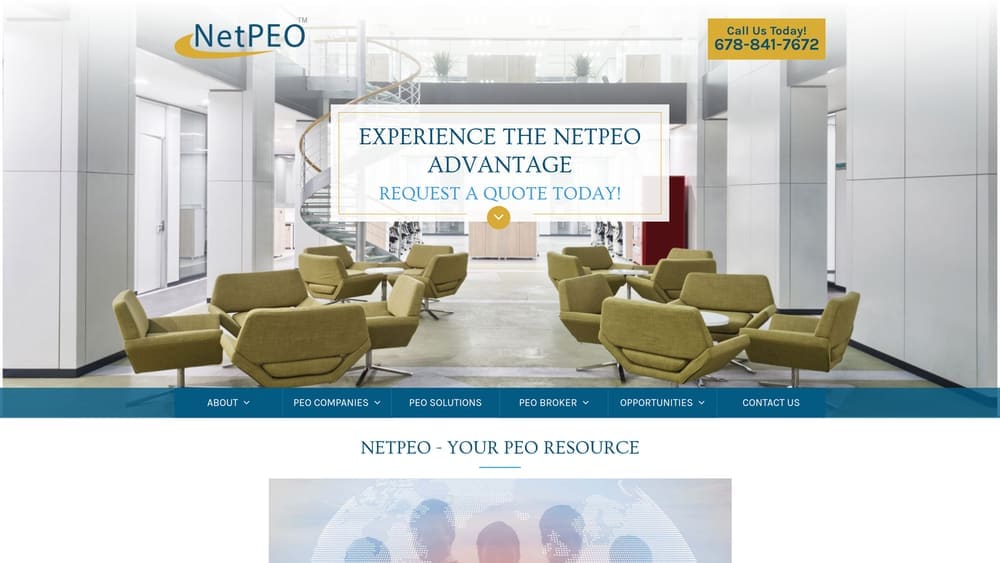
Rippling is a direct provider. You contract with Rippling for both the technology platform and the PEO services. They handle compliance, payroll, benefits administration, and risk management through their own infrastructure. There’s no third party involved.
The broker model gives you access to multiple options without evaluating dozens of providers yourself. The direct platform model eliminates the middleman and integrates PEO services directly into software you may already use.
Implementation Steps
1. Determine whether you value provider choice or platform integration more highly for your business.
2. Ask NetPEO which specific providers they would match you with and request direct quotes from those providers to compare against their facilitated pricing.
3. If you’re already using Rippling for HR or payroll, calculate the cost difference between adding their PEO module versus switching to a standalone PEO through NetPEO’s network.
Pro Tips
If you go with NetPEO, clarify in writing who pays the broker fee and how much it is. Some brokers receive commissions from providers, which can create incentive misalignment. Understanding hidden PEO fees upfront prevents costly surprises later. If you choose Rippling, understand that you’re locked into their platform—switching PEO providers later means switching your entire HR tech stack.
2. Technology Stack Considerations
The Challenge It Solves
Your business already has technology investments. Maybe you’re using specific accounting software, project management tools, or communication platforms that your team relies on daily. Choosing a PEO that doesn’t integrate well creates data silos and manual workarounds.
The question isn’t which platform has more features—it’s which approach fits your existing technology ecosystem without forcing you to rebuild workflows.
The Strategy Explained
Rippling’s core value proposition is integration. Their platform connects HR, payroll, benefits, device management, and app provisioning in a single system. If you adopt Rippling’s PEO, you get unified employee data across all these functions. Changes made in one module automatically update everywhere else.
This works exceptionally well if you’re starting fresh or willing to consolidate tools. It works less well if you have specialized software that Rippling doesn’t integrate with or replace adequately. When evaluating platforms, reviewing the best PEO HR technology platforms can help you understand what integration capabilities to expect.
NetPEO’s approach depends on which provider they match you with. Some providers in their network offer modern platforms with robust integrations. Others use older systems with limited connectivity. You won’t know which you’re getting until after the matching process.
Implementation Steps
1. List every piece of software your business currently uses for HR, payroll, accounting, time tracking, and benefits management.
2. Check Rippling’s integration directory to see if your critical tools connect natively or require workarounds.
3. Ask NetPEO to specify which providers they’re considering for your business and request detailed integration capabilities from each before making a decision.
Pro Tips
If your team is already comfortable with your current tools and they work well, forced platform consolidation can create more problems than it solves. Conversely, if you’re frustrated with disconnected systems and manual data entry, Rippling’s unified approach can eliminate significant administrative overhead.
3. Pricing Transparency and Total Cost
The Challenge It Solves
PEO pricing is notoriously opaque. Administrative fees, per-employee charges, benefit markups, and service tiers create cost structures that are difficult to compare directly. When you’re evaluating a broker against a direct provider, the pricing models don’t even use the same framework.
Understanding your true total cost requires breaking down every fee component and projecting how costs scale as your headcount grows.
The Strategy Explained
Rippling uses per-employee-per-month pricing with modular add-ons. You pay a base fee for core platform access, then additional costs for PEO services, specific integrations, and advanced features. This structure is relatively transparent—you can calculate costs based on headcount and selected modules.
The complexity comes from understanding which features require add-on fees versus what’s included in the base PEO tier. Benefits administration, workers’ compensation, and state tax compliance may carry separate charges depending on your configuration.
NetPEO’s pricing depends entirely on which provider you’re matched with. Each provider has its own fee structure, benefit markups, and administrative charges. NetPEO may add broker fees on top of the provider’s costs, though this varies by arrangement. You might pay NetPEO directly, or they might receive commissions from the provider. Understanding PEO cost versus payroll company pricing helps frame what you’re actually paying for.
Implementation Steps
1. Request a detailed cost breakdown from Rippling showing base fees, PEO module costs, and any feature-specific charges for your projected headcount.
2. Ask NetPEO for quotes from at least two providers in their network, including explicit disclosure of any broker fees or commissions.
3. Calculate total annual cost for each option at your current headcount, then project costs at 25% and 50% growth to understand how pricing scales.
Pro Tips
Benefits markup is where many PEO costs hide. Ask both options how they price health insurance and other benefits—some mark up premiums significantly, while others pass through costs at closer to actual rates. Get this in writing before signing anything.
4. Service Model Fit
The Challenge It Solves
Your team’s capabilities and preferences determine how much hands-on support you need from a PEO. Some businesses have experienced HR staff who want technology tools and compliance backing but prefer to handle day-to-day operations themselves. Others need guided support for every payroll run and benefits question.
Choosing a service model that doesn’t match your team’s working style creates frustration on both sides.
The Strategy Explained
Rippling’s model is software-first. Their platform is designed for self-service with support available when needed. If your team is comfortable navigating software interfaces, troubleshooting issues independently, and managing processes through digital workflows, this approach works well.
The tradeoff is that you’re primarily interacting with a platform, not a dedicated account manager. Support is available, but it’s not the white-glove, relationship-driven service some businesses expect from traditional PEOs.
NetPEO’s service model depends on the matched provider. Some providers in their network offer high-touch, dedicated account management. Others operate more like Rippling with technology-focused support. The broker’s job is matching you with a provider whose service style fits your preferences. Understanding how a PEO works step by step helps set realistic expectations for either model.
Implementation Steps
1. Assess your team’s comfort level with self-service software platforms versus phone-based support relationships.
2. If considering Rippling, request a demo focused specifically on support workflows—how you submit tickets, typical response times, and escalation paths for urgent issues.
3. If working with NetPEO, explicitly state your service expectations and ask them to prioritize providers whose support model matches those preferences.
Pro Tips
Tech-comfortable teams often find traditional PEO hand-holding unnecessary and prefer Rippling’s efficiency. Teams without dedicated HR staff or those managing complex compliance situations typically need more hands-on support than a software-first platform provides.
5. Scalability and Multi-State Complexity
The Challenge It Solves
Growth changes everything. Hiring across multiple states introduces tax compliance complexity, varying labor laws, and registration requirements that many businesses underestimate until they’re already non-compliant. Your PEO choice should handle expansion without requiring you to switch providers mid-growth.
The question is which model—broker access to specialized providers or integrated platform infrastructure—handles your specific growth trajectory better.
The Strategy Explained
Rippling handles multi-state operations through their platform infrastructure. They’re registered in all states and manage compliance, tax withholding, and reporting requirements automatically as you hire across geographies. For businesses expanding into new states, this happens seamlessly within the existing system.
The limitation is that you’re dependent on Rippling’s capabilities. If they don’t support a specific state requirement well or you need specialized industry compliance, you’re working within their framework. Reviewing national PEO companies can help you understand which providers handle multi-state complexity best.
NetPEO’s approach gives you access to providers with different geographic strengths and industry specializations. If you’re expanding into states with complex regulations or operating in industries with specific compliance requirements, they can match you with providers who specialize in those areas.
Implementation Steps
1. Map your expansion plans for the next three years, including which states you’re likely to hire in and any industry-specific compliance requirements.
2. Ask Rippling specifically about their capabilities in your target states and whether they’ve handled businesses with your compliance profile before.
3. Request that NetPEO identify providers with proven track records in your expansion states and industry vertical.
Pro Tips
If you’re planning rapid multi-state expansion, provider switching mid-growth is expensive and disruptive. Choose based on where you’ll be in three years, not just where you are now. Businesses with complex industry-specific compliance needs often benefit from NetPEO’s access to specialized providers.
6. Contract Flexibility and Exit Strategy
The Challenge It Solves
PEO contracts often include minimum terms, auto-renewal clauses, and termination requirements that make switching providers difficult and expensive. Understanding your commitment level and exit options before signing prevents costly surprises when your needs change.
The structural difference between a broker and a direct provider affects your negotiation leverage and transition paths significantly.
The Strategy Explained
Rippling’s contracts are typically annual with auto-renewal. Because you’re contracting directly with them for both technology and PEO services, terminating the PEO relationship means losing access to the entire platform unless you negotiate to keep the software separately.
This creates switching friction by design. If your team has built workflows around Rippling’s platform, transitioning away requires replacing multiple systems simultaneously, not just changing PEO providers. Learning how to compare PEO contracts before signing helps you identify these lock-in provisions.
NetPEO’s contract structure depends on the matched provider. Your agreement is with the underlying PEO, not with NetPEO. Some providers in their network offer more flexible terms than others. The broker relationship itself is typically project-based—once you’re matched, NetPEO’s direct involvement decreases.
Implementation Steps
1. Request contract terms in writing before committing to either option, including minimum commitment periods, termination notice requirements, and any early termination penalties.
2. Ask Rippling whether you can retain platform access if you terminate PEO services and what that costs separately.
3. If working with NetPEO, clarify what happens to the broker relationship after the initial match and whether they assist with provider changes if the first match doesn’t work out.
Pro Tips
Negotiation leverage is higher before you sign than after. If contract flexibility matters to your business, push for shorter initial terms or explicit termination clauses during the sales process. Having a clear PEO exit strategy mapped out before you sign protects your business if circumstances change.
7. When Neither Is the Right Fit
The Challenge It Solves
Not every business needs a PEO, and not every PEO need is best served by these specific options. Sometimes the better decision is a different provider entirely, or reconsidering whether a PEO makes sense at all given your circumstances.
Knowing when to walk away from both options saves money and operational headaches.
The Strategy Explained
If you’re primarily attracted to Rippling for their HR platform but don’t actually need PEO services, buying the software without the PEO module might serve you better. Many businesses get sold into PEO arrangements because it’s bundled with technology they want, not because they have compliance needs that justify PEO costs. Understanding the PEO cost versus HR software tradeoffs helps clarify whether you need the full PEO package.
If NetPEO’s broker model appeals to you but you’re frustrated with their provider options or fee structure, working directly with a PEO provider eliminates the intermediary. Brokers add value when you need guidance navigating options, but if you’ve already done that research, direct relationships often cost less.
Some businesses are too small for PEO economics to make sense. If you have fewer than ten employees, stable single-state operations, and straightforward benefits needs, a payroll provider with basic HR tools typically costs significantly less than any PEO arrangement. Our analysis of whether a PEO is worth it for small teams breaks down when the economics actually work.
Implementation Steps
1. Calculate what you’re actually paying for PEO services versus what you could handle with a payroll provider plus a benefits broker.
2. If Rippling’s platform is the primary draw, request pricing for their HR and payroll software without the PEO module to see the cost difference.
3. Research whether any providers in NetPEO’s network are available for direct engagement and what that pricing looks like without broker fees.
Pro Tips
PEO services make the most sense when you need workers’ compensation coverage, have multi-state compliance complexity, or want to offer benefits typically available only to larger companies. If none of those apply to your business, you’re likely overpaying for services you don’t need.
Putting It All Together
Choose Rippling if you want a unified technology platform, your team is comfortable with self-service software, and you value integration over provider flexibility. Their model works best for tech-forward businesses that prefer consolidated systems and don’t need specialized industry expertise.
Choose NetPEO if you want access to multiple PEO options, prefer a guided selection process, or have specific needs that require provider specialization. Their broker model makes sense when you need help navigating the PEO landscape or your compliance requirements demand industry-specific expertise.
Neither option is inherently better. The right choice depends entirely on your operational context—your existing technology, your team’s capabilities, your growth trajectory, and your tolerance for platform lock-in.
Before you commit to either option, compare your options thoroughly. Most businesses overpay due to bundled fees and unclear administrative markups. We break down pricing, services, and contract structures so you can make a smarter decision.
The decision that matters isn’t which company has better marketing. It’s which service model fits the way your business actually operates.