
Both TriNet and Insperity sit at the top of the PEO industry, and both can handle your payroll, benefits, and compliance. That’s not the question.
The real question is which one fits how your business actually operates—your headcount trajectory, your industry risk profile, your geographic footprint, and your tolerance for pricing complexity.
This comparison cuts through the marketing fluff and focuses on the decision factors that will actually impact your day-to-day operations and bottom line. We’re not declaring a winner because there isn’t one. There’s only the right fit for your specific situation.
1. Pricing Structure: Per-Employee Flat Fee vs. Percentage of Payroll
The Challenge It Solves
PEO pricing determines your total cost, but it also affects predictability and how costs scale as you grow or adjust compensation. If you’re planning significant salary increases or hiring highly compensated employees, the pricing model becomes a major financial consideration.
Many businesses discover too late that their PEO pricing structure penalizes growth or creates unexpected cost spikes during compensation adjustments.
The Strategy Explained
PEO pricing typically follows one of two models: percentage of payroll or per-employee-per-month flat fees. The percentage model means your PEO costs rise proportionally with every salary increase, bonus, or commission payment. The flat fee model charges a set amount per employee regardless of compensation level.
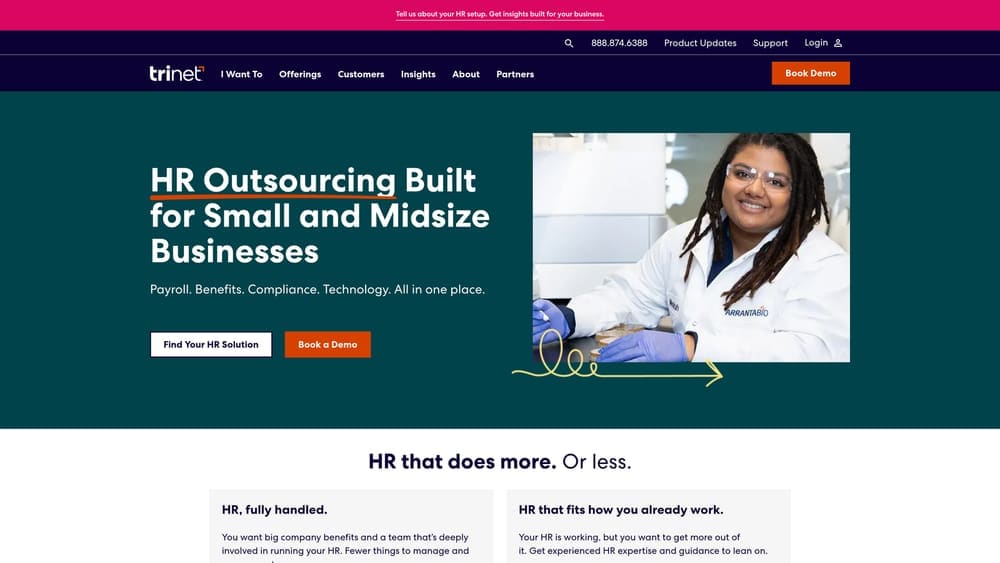
TriNet and Insperity have historically used different approaches to pricing, though both customize quotes based on client specifics. Understanding which model you’re being quoted matters significantly for long-term cost projection.
If you employ high earners—executives, senior engineers, commissioned sales teams—a percentage model can become expensive quickly. If your workforce includes primarily lower-wage employees, the percentage model might work in your favor compared to flat fees.
Implementation Steps
1. Request detailed pricing breakdowns from both providers using your actual employee census data, including current salaries and anticipated raises.
2. Model your total cost under each pricing structure for the next 12-24 months, factoring in planned hires, raises, and bonuses.
3. Ask specifically about administrative fees, implementation costs, and any additional charges not included in the base pricing model.
Pro Tips
Don’t just compare the quoted rate—compare the total projected annual cost. A lower percentage can still cost more than a higher flat fee depending on your payroll structure. Also verify whether the pricing includes all services or if certain features require add-on fees.
2. Industry Specialization: Vertical Expertise vs. Generalist Approach
The Challenge It Solves
Industry-specific compliance requirements, insurance needs, and HR challenges vary significantly. A technology startup faces different workers’ compensation classifications than a healthcare practice. The question is whether specialized industry knowledge translates into tangible operational benefits or just marketing positioning.
The Strategy Explained
TriNet has historically marketed industry-specific verticals targeting technology, life sciences, financial services, and nonprofit sectors. This approach suggests dedicated teams familiar with industry regulations, common compliance pitfalls, and sector-specific benefit needs.
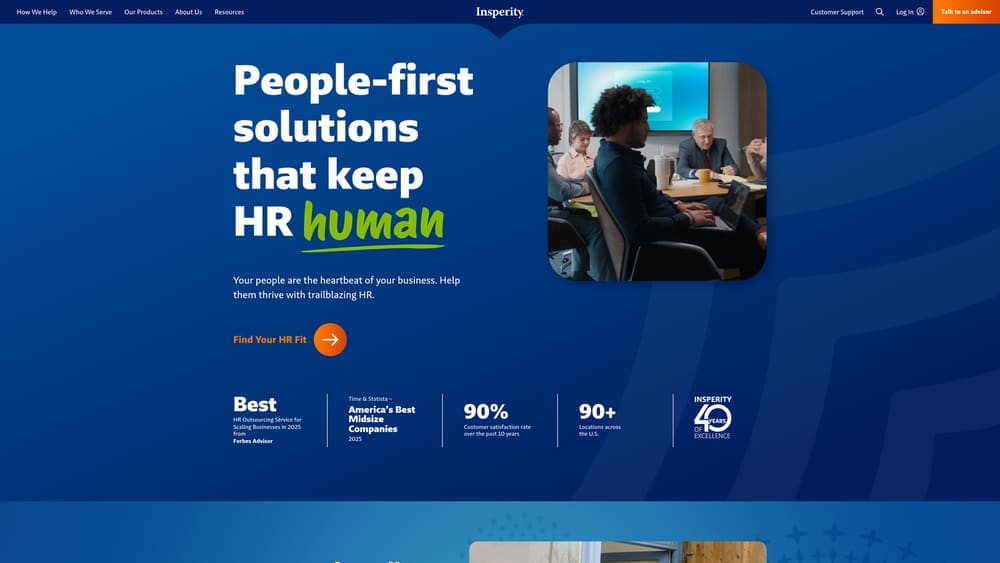
Insperity has positioned itself as serving businesses across industries with a consistent service model. This generalist approach means you’re not limited to predefined industry categories, but you also may not get advisors who specialize exclusively in your sector.
The practical difference shows up in areas like workers’ comp classification accuracy, benefit plan design for industry norms, and proactive compliance guidance on sector-specific regulations.
Implementation Steps
1. Ask each provider for client references specifically in your industry and similar company size.
2. Request examples of how they’ve handled industry-specific compliance situations relevant to your business.
3. Evaluate whether your industry has unique enough requirements to justify specialized expertise or if general PEO services suffice.
Pro Tips
Industry specialization matters most if you operate in highly regulated sectors or have unique workers’ comp risk profiles. For many standard business operations, the difference between specialized and generalist approaches is minimal in practice.
3. Benefits Administration: Multiple Carrier Options vs. Curated Plans
The Challenge It Solves
Health insurance represents the largest component of most PEO value propositions. How each provider structures benefits access, handles renewals, and manages carrier relationships directly affects your employee satisfaction and your annual cost volatility.
Some businesses need flexibility to choose from multiple carriers and plan designs. Others prefer simplified options with strong negotiated rates.
The Strategy Explained
PEOs aggregate employees across multiple client companies to access better insurance rates than small businesses could negotiate independently. However, the execution varies significantly.
The key differences appear in carrier choice, plan customization, renewal processes, and how rate increases are communicated and managed. Some PEOs offer multiple carrier options within their network. Others curate a smaller selection of pre-negotiated plans.
Your benefits strategy should align with your workforce expectations and your tolerance for plan administration complexity. More options mean more decision-making. Fewer options mean simpler enrollment but less customization.
Implementation Steps
1. Request the actual carrier options and plan designs available in your geographic area for your employee count.
2. Compare current benefit costs and coverage to what each PEO can offer, including employee contribution levels.
3. Ask about the renewal process, historical rate increase patterns, and how you’ll be notified of changes.
Pro Tips
Don’t assume PEO benefits are automatically better than what you currently have. Request detailed plan documents and contribution structures. Also verify whether you can change plans mid-year if needed or if you’re locked in for 12 months.
4. Technology Platform: Self-Service Depth vs. High-Touch Support
The Challenge It Solves
Your team will interact with the PEO platform daily for payroll processing, time tracking, benefits enrollment, and HR document management. A clunky system creates friction. A robust platform reduces administrative burden.
The question is whether you need advanced self-service capabilities or prefer more hands-on support from your provider.
The Strategy Explained
Both TriNet and Insperity offer technology platforms for core HR functions, but the user experience, integration capabilities, and self-service depth differ.
Evaluate how the platform handles payroll processing, employee onboarding, benefits administration, time and attendance tracking, and reporting. Consider whether the system integrates with your existing accounting software, applicant tracking system, or other business tools.
Some businesses prefer comprehensive HR technology platforms that reduce reliance on support calls. Others value high-touch service models where dedicated reps handle platform tasks on your behalf.
Implementation Steps
1. Request platform demos focused on the specific workflows your team uses most frequently—payroll runs, new hire onboarding, benefits changes.
2. Ask about API integrations with your current software stack and whether custom integrations are supported.
3. Test the mobile experience if your employees will access the system from phones for time tracking or benefits information.
Pro Tips
Platform capabilities sound similar in sales presentations. The differences emerge in daily use. Ask for a trial period or extended demo access so your actual users can evaluate the interface before committing.
5. Service Model: Dedicated Teams vs. Pooled Resources
The Challenge It Solves
When you have a payroll question, benefits issue, or compliance concern, response speed and expertise matter. The service model determines whether you’re working with the same people who understand your business or getting routed to whoever’s available.
The Strategy Explained
PEO service models generally fall into two categories: dedicated account teams or pooled support resources. Dedicated teams mean you work with the same HR business advisor, payroll specialist, and benefits coordinator who learn your business over time. Pooled resources mean you contact a general support line and speak with whoever’s available.
Both TriNet and Insperity emphasize their service approach, but the actual experience depends on your account size, complexity, and the specific service tier you’re quoted.
Dedicated teams typically provide more proactive guidance and faster issue resolution because they already understand your situation. Understanding how co-employment works helps clarify what support you should expect from your PEO partner.
Implementation Steps
1. Ask specifically whether you’ll have dedicated contacts or access pooled support, and whether that changes based on account size.
2. Request the typical response time for urgent payroll issues and routine HR questions.
3. Clarify what level of support is included in your quoted pricing versus what requires additional fees.
Pro Tips
Service model promises in sales conversations don’t always match operational reality. Ask for references who can speak to actual response times and whether their dedicated contacts have remained consistent over time.
6. Contract Terms and Exit Flexibility
The Challenge It Solves
PEO contracts determine how long you’re committed, what happens if you want to leave, and whether you can access your data after termination. Poor contract terms can trap you in an underperforming relationship or create expensive exit barriers.
The Strategy Explained
PEO agreements typically include initial contract periods, auto-renewal clauses, termination notice requirements, and provisions for data portability and employee transition.
Key contract elements to evaluate include the minimum commitment period, notice required for non-renewal, termination fees or penalties, and how employee data and historical records are handled if you leave. Understanding what you’re signing in a professional employer organization agreement prevents costly surprises later.
Some contracts auto-renew with short notice windows, making it difficult to switch providers even if you’re dissatisfied. Others include specific termination fees or require extended notice periods that complicate transitions.
Implementation Steps
1. Review the contract length, auto-renewal terms, and required notice period for termination before signing.
2. Verify data portability provisions—whether you can export payroll history, employee records, and benefits information in usable formats.
3. Ask about termination assistance, including whether the provider helps with employee transitions or if you’re responsible for all exit logistics.
Pro Tips
Don’t skip the contract review assuming all PEO agreements are standard. Termination clauses vary significantly. If you find yourself in a bad situation, knowing the process for leaving a bad PEO can save significant headaches.
7. Ideal Company Profile: Who Each Provider Actually Serves Best
The Challenge It Solves
Not every PEO serves every business type equally well. Company size, growth trajectory, industry, and internal HR capacity all affect which provider will actually deliver value versus create administrative friction.
The Strategy Explained
TriNet’s industry vertical approach and technology platform capabilities often align well with businesses that value specialized expertise and robust self-service tools. Companies in technology, life sciences, or other specialized sectors may benefit from advisors who understand industry-specific compliance requirements.
Insperity’s generalist model and emphasis on hands-on service can work well for businesses that prefer high-touch support and don’t require deep industry specialization. Companies that want consistent service regardless of sector may find this approach more straightforward.
Your ideal fit depends on whether you need industry expertise, how much you value platform capabilities versus personal service, and how your compensation structure interacts with each provider’s pricing model. Learning how to choose a PEO systematically helps avoid common selection mistakes.
Implementation Steps
1. Evaluate your internal HR capacity and whether you need a PEO that supplements limited resources or one that provides strategic partnership.
2. Consider your growth trajectory and whether the provider can scale with you or if you’ll outgrow their service model.
3. Match your business characteristics—industry, size, compensation structure, geographic footprint—against each provider’s documented strengths.
Pro Tips
The best PEO for your business isn’t necessarily the one with the most features or the lowest quoted price. It’s the one whose service model, pricing structure, and operational approach align with how your business actually functions.
Making the Decision That Fits Your Business
The TriNet vs. Insperity decision ultimately comes down to three things: how your compensation structure interacts with their pricing models, whether industry specialization adds real value for your compliance needs, and which service model matches your internal HR capacity.
Before signing anything, get actual quotes based on your real employee data, ask for client references in your specific industry, and read the contract termination clauses carefully. Both are capable providers—the goal is finding the one that won’t create friction with how your business actually runs.
Most businesses don’t realize they have negotiating leverage or that PEO pricing varies significantly based on how you structure the agreement. Before you renew your PEO agreement, compare your options. Most businesses overpay due to bundled fees and unclear administrative markups. We break down pricing, services, and contract structures so you can make a smarter decision.
The right PEO should reduce your administrative burden and compliance risk without creating new operational headaches. Take the time to evaluate both providers against your specific needs rather than defaulting to the one with better marketing or a lower initial quote.